
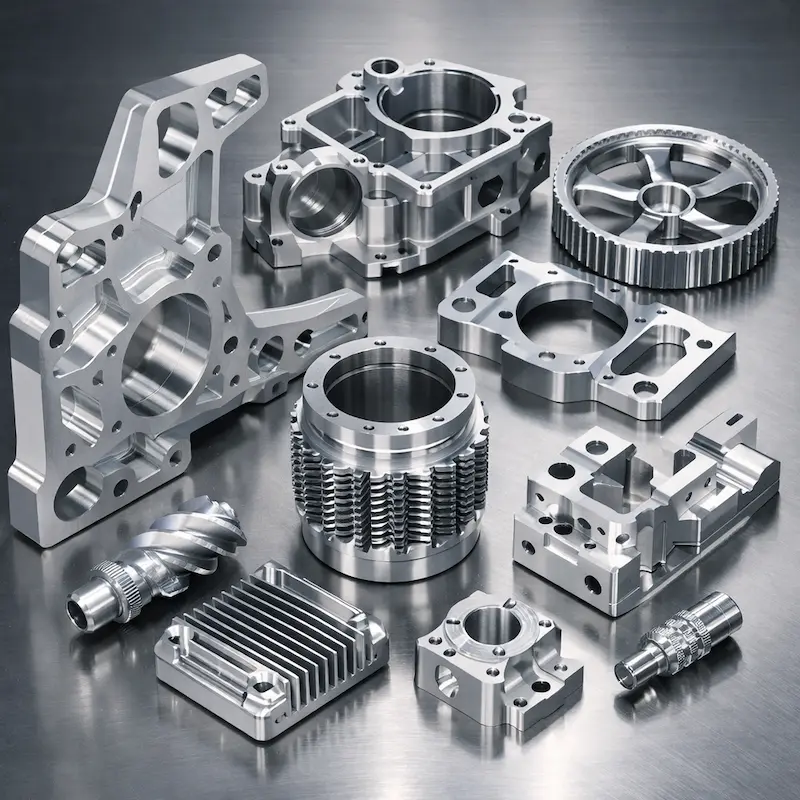
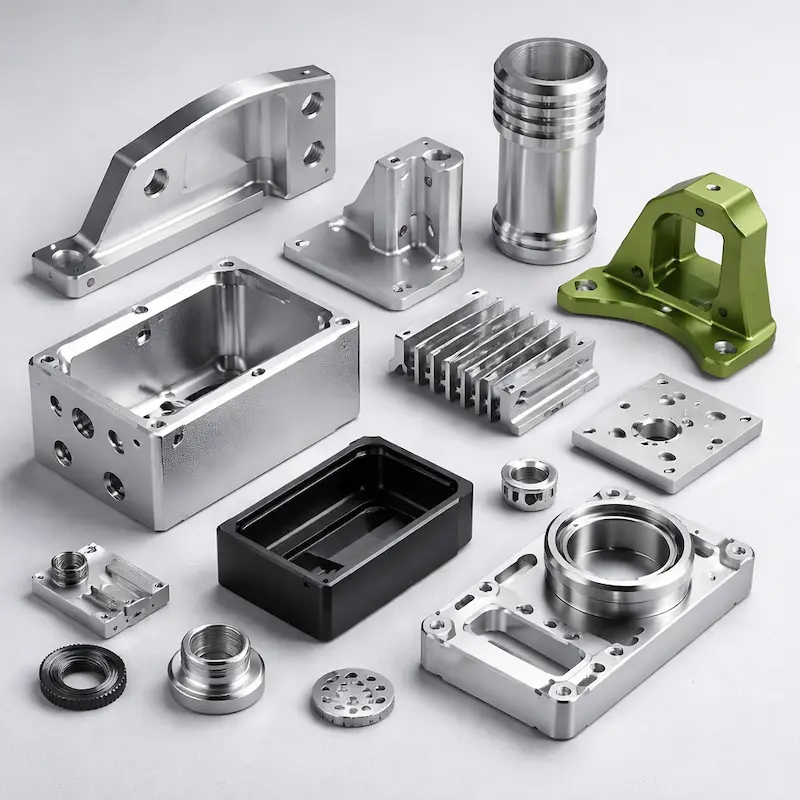
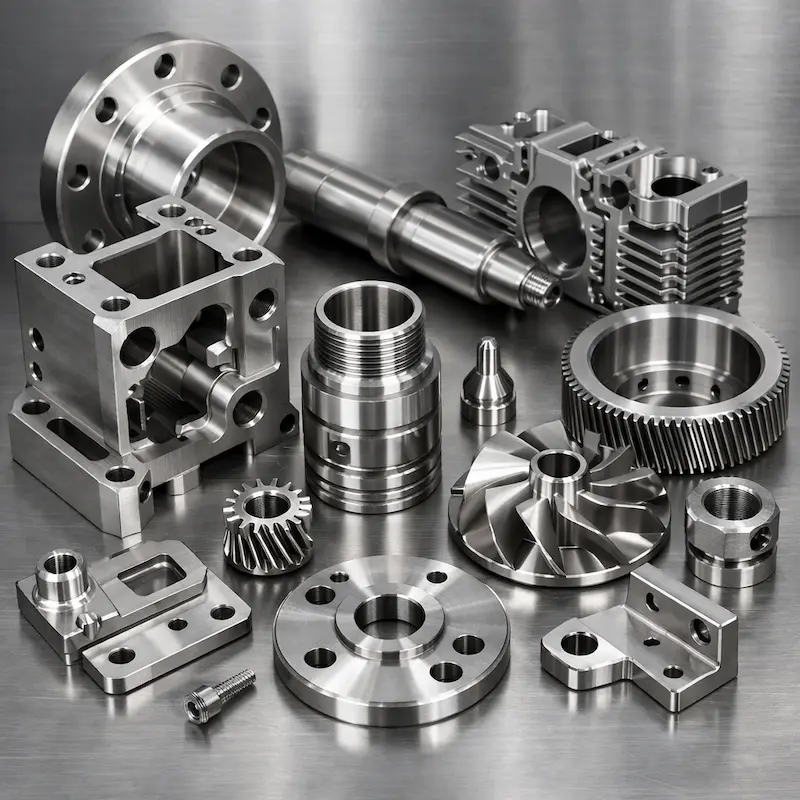
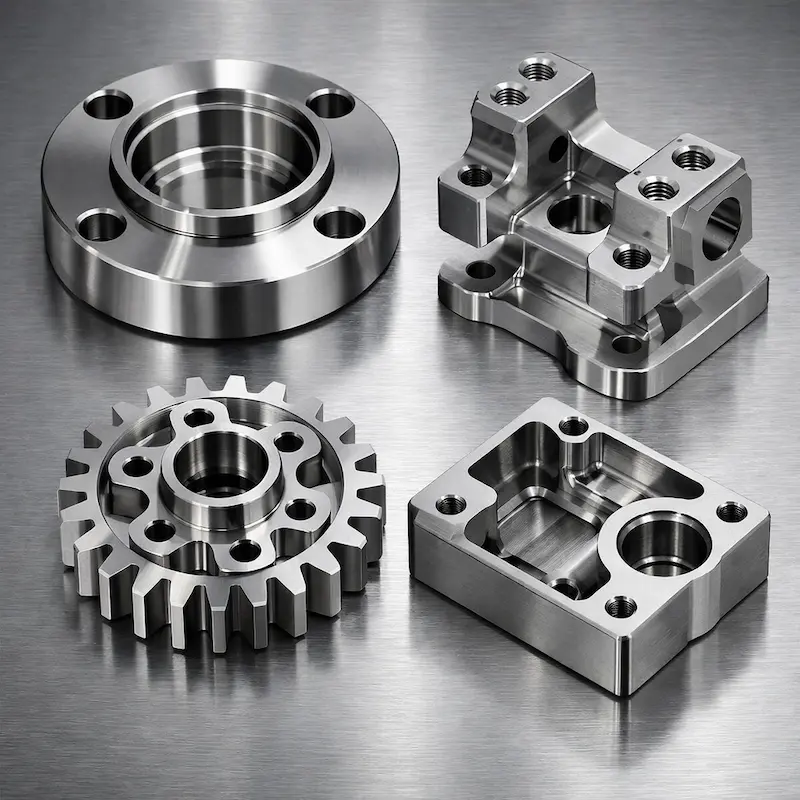
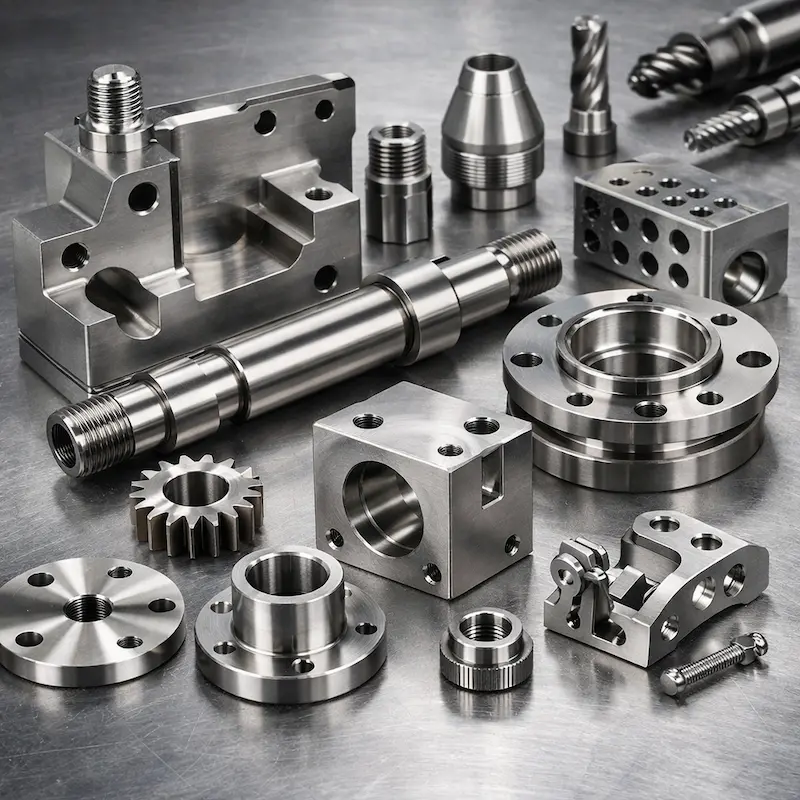
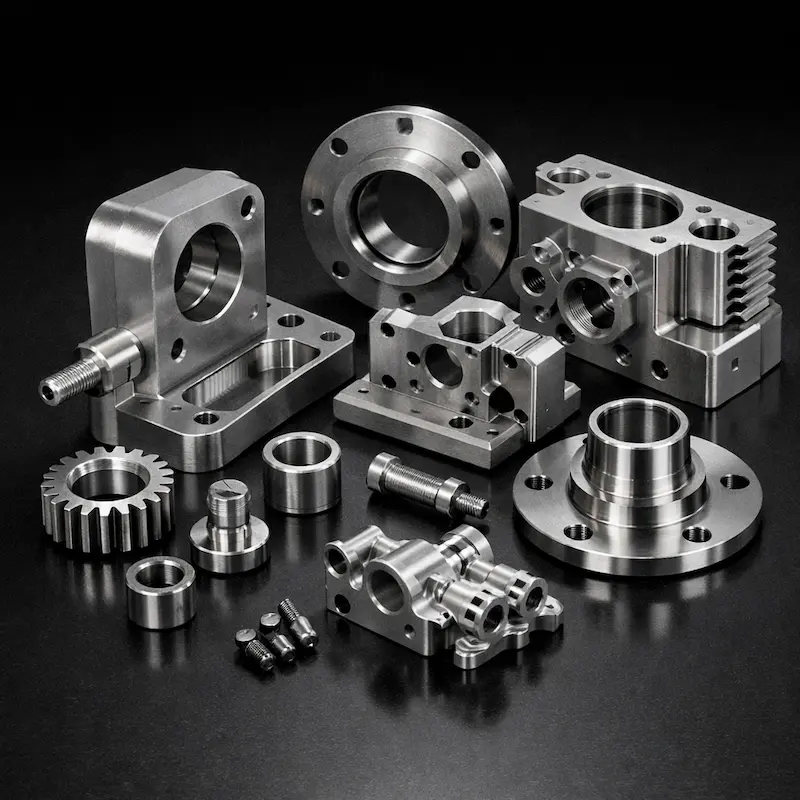
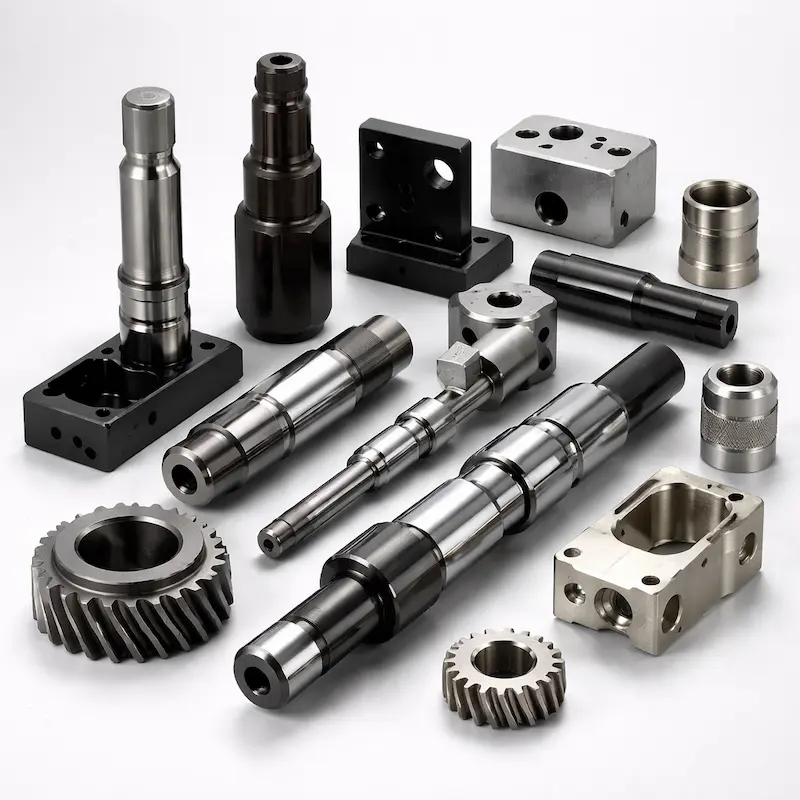
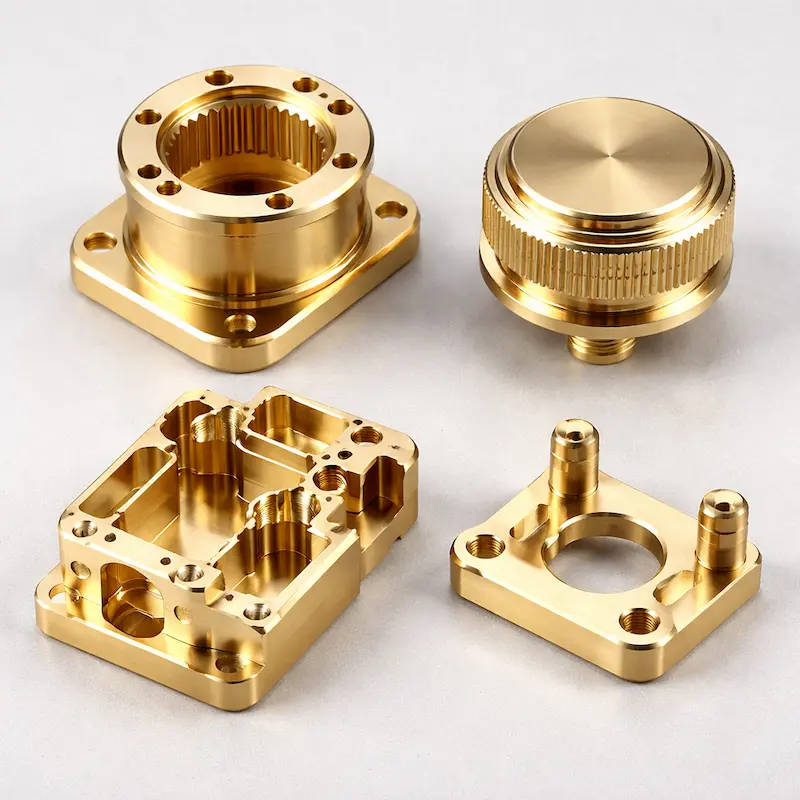
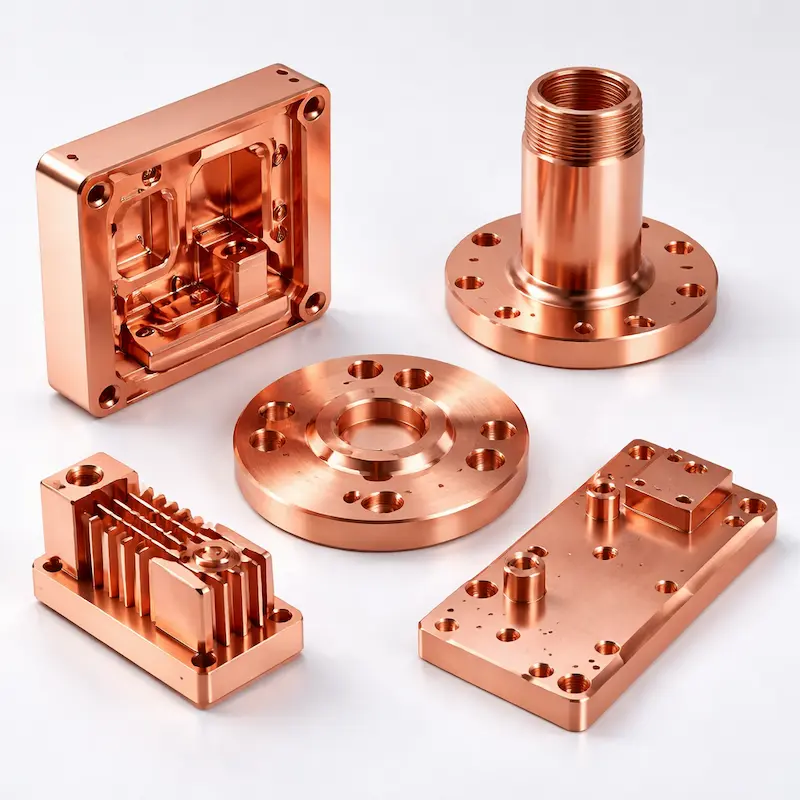
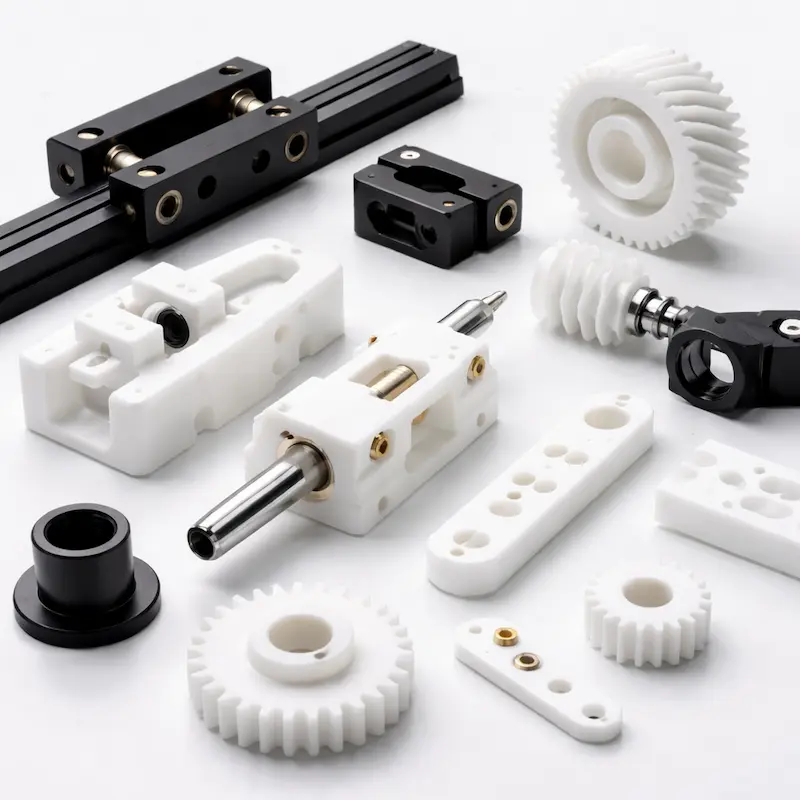
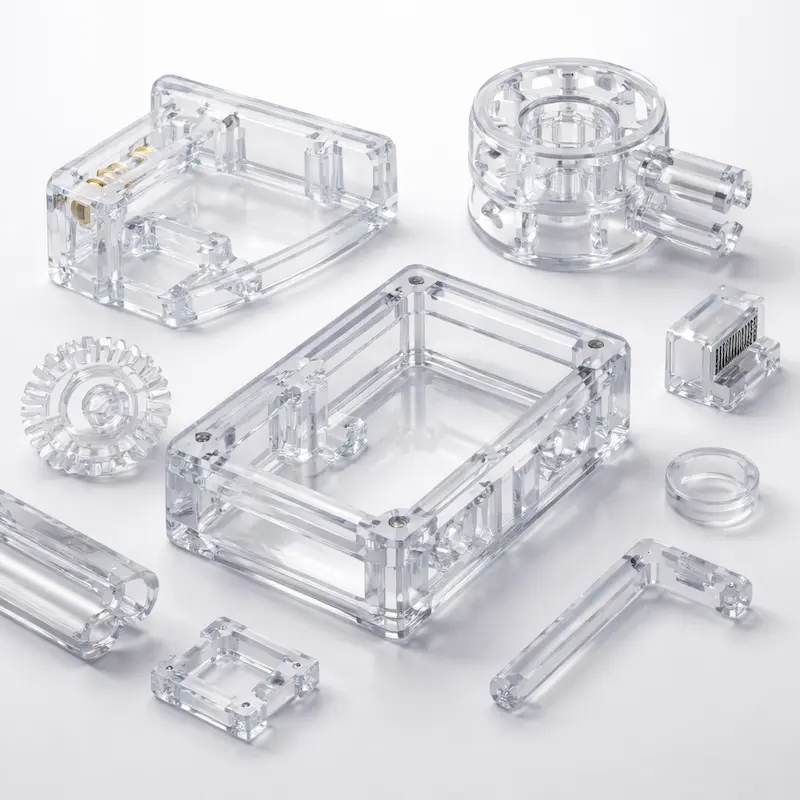
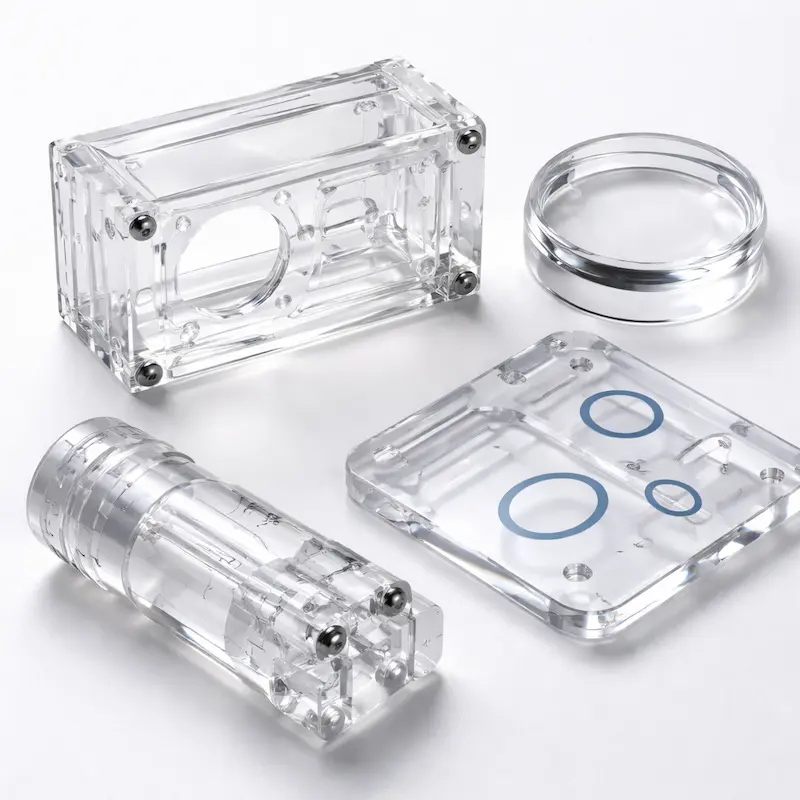
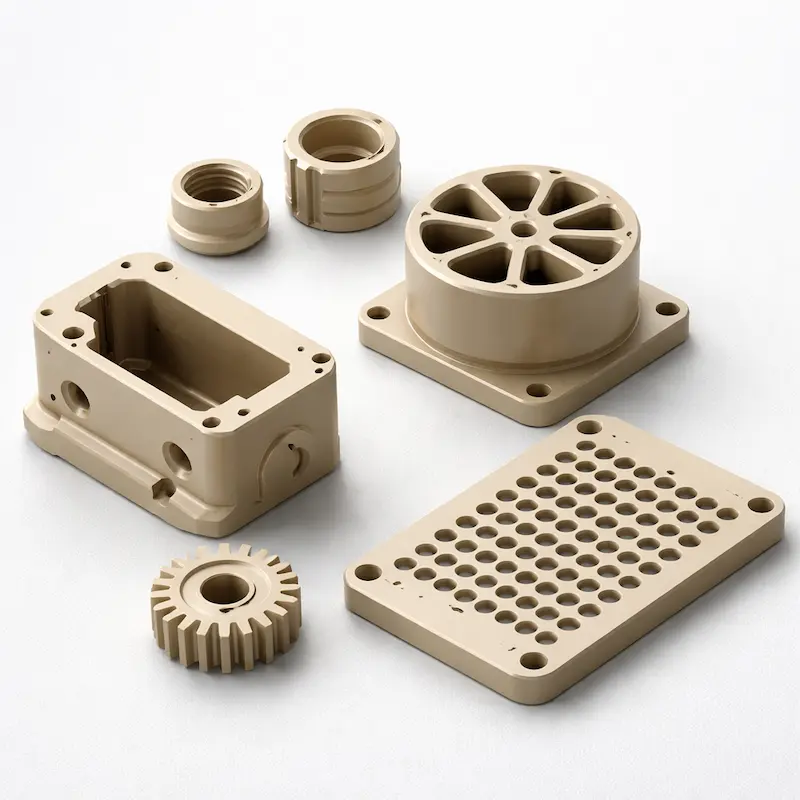
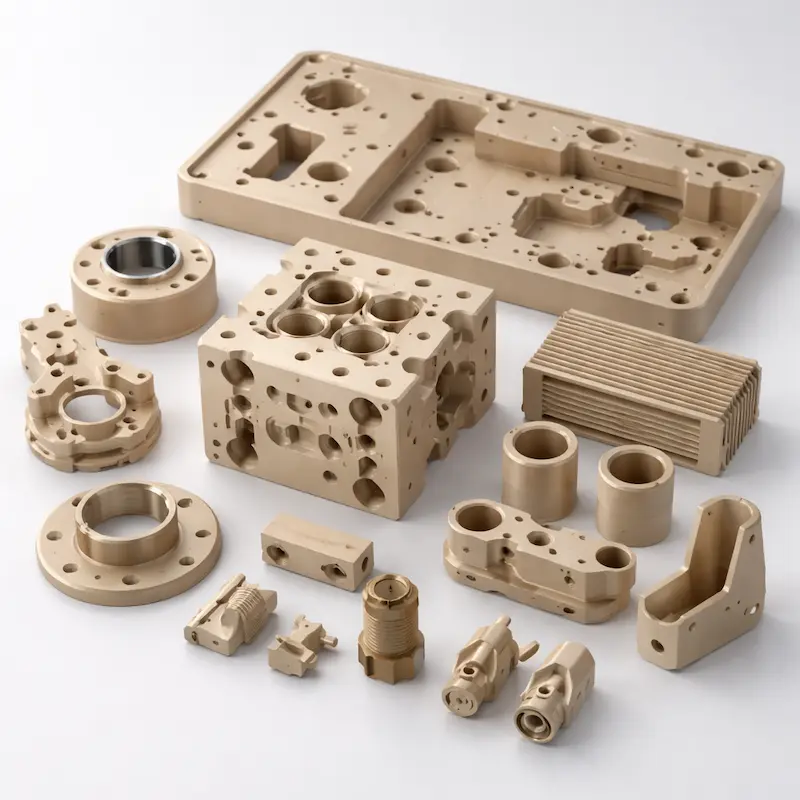
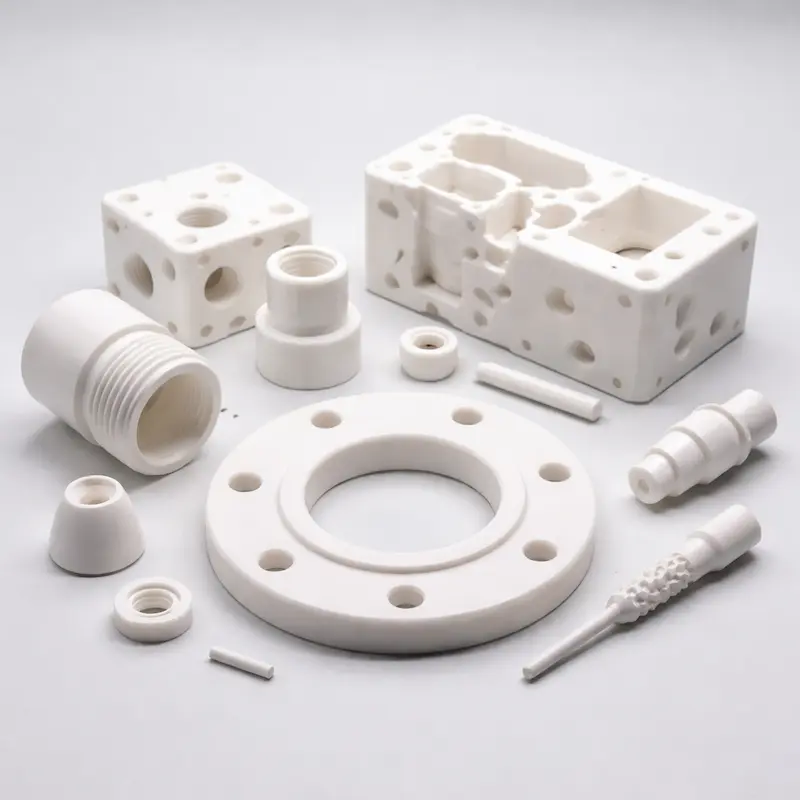
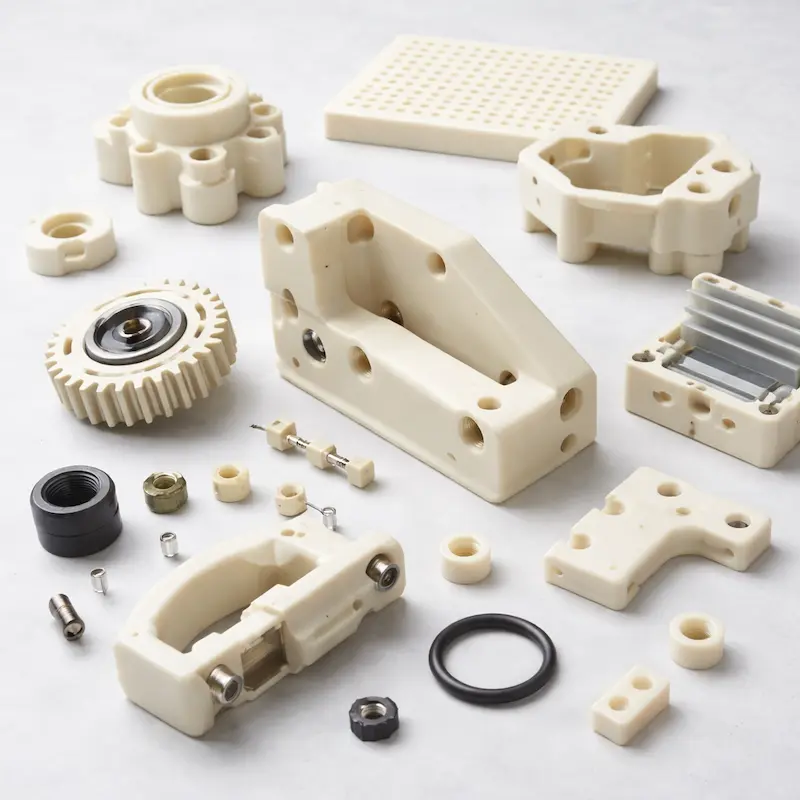
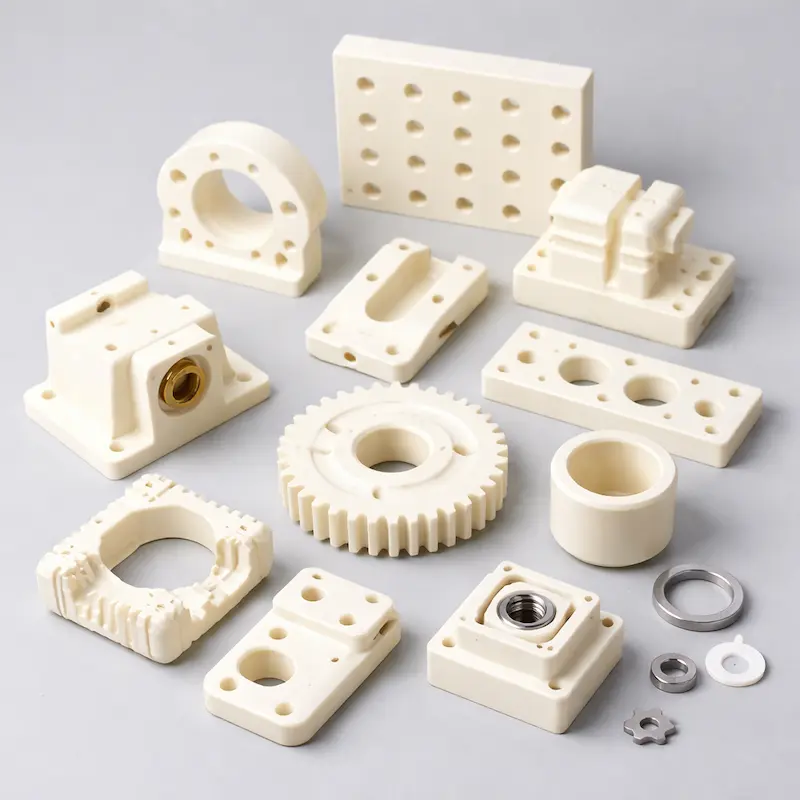
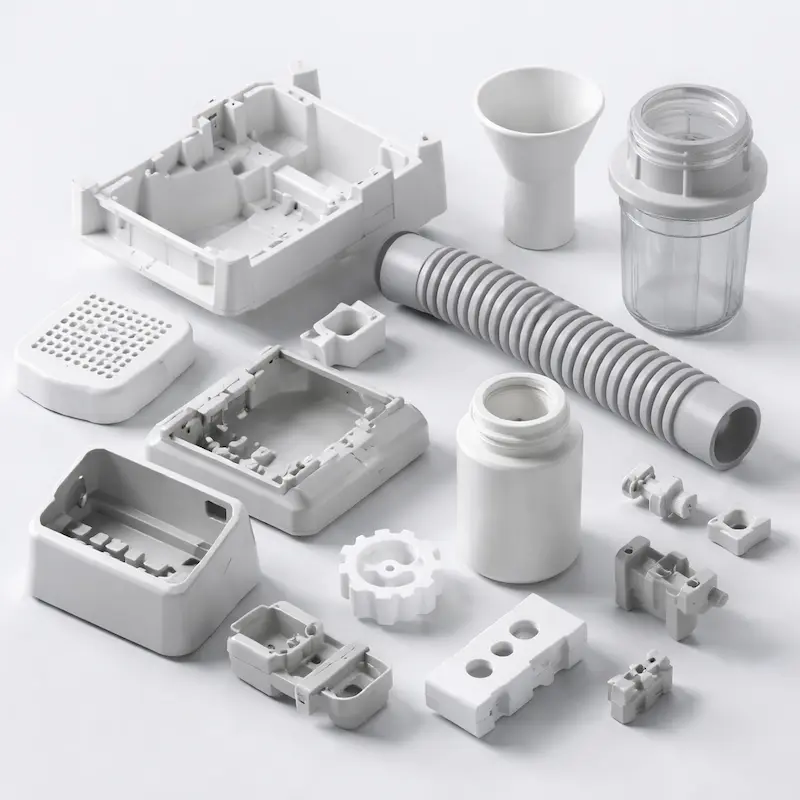
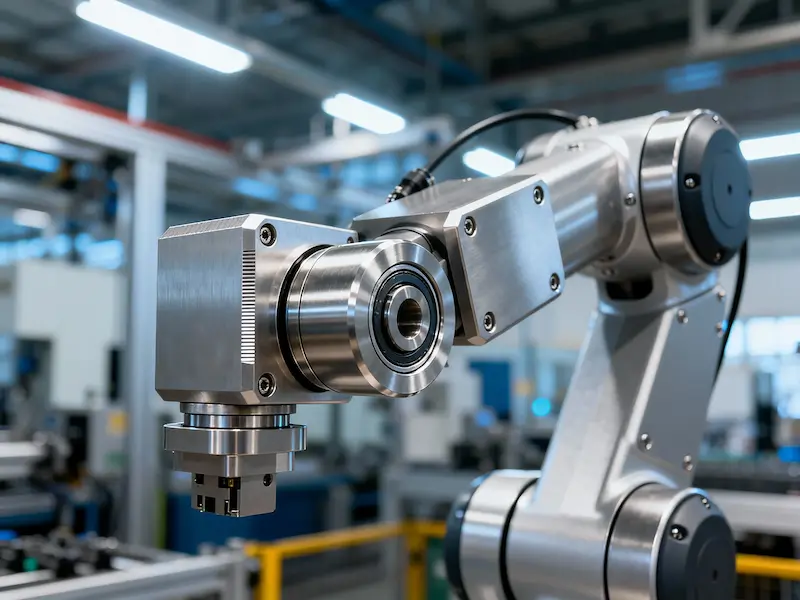
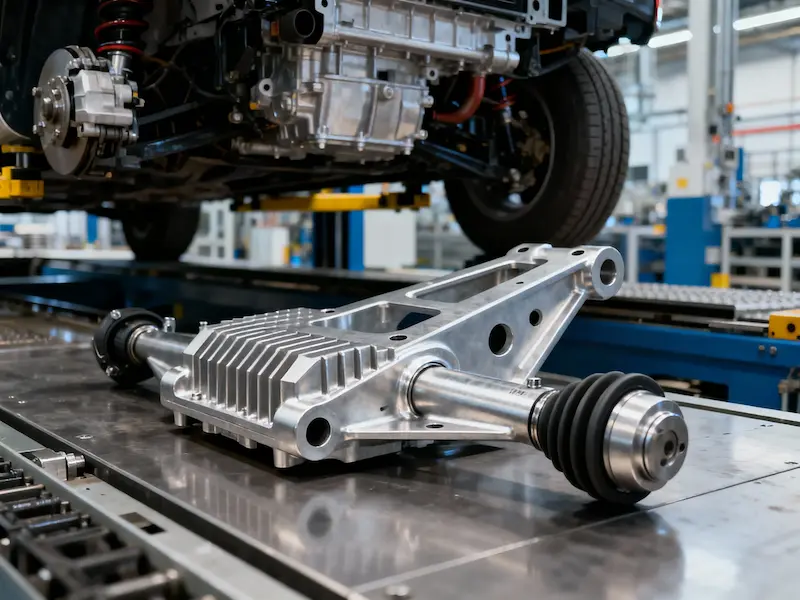
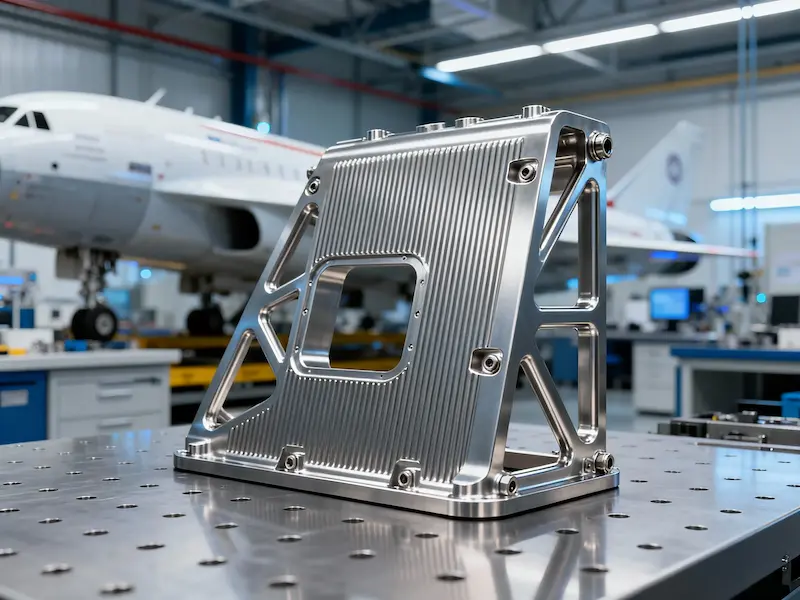
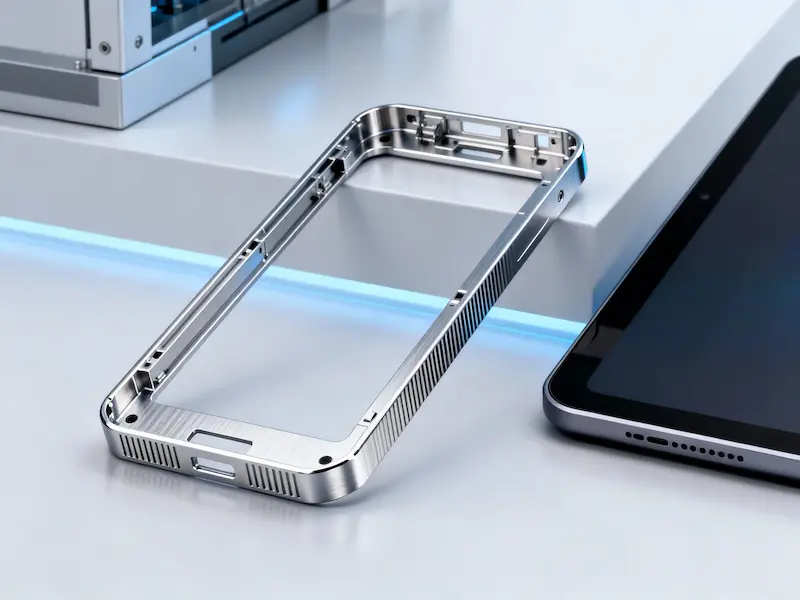
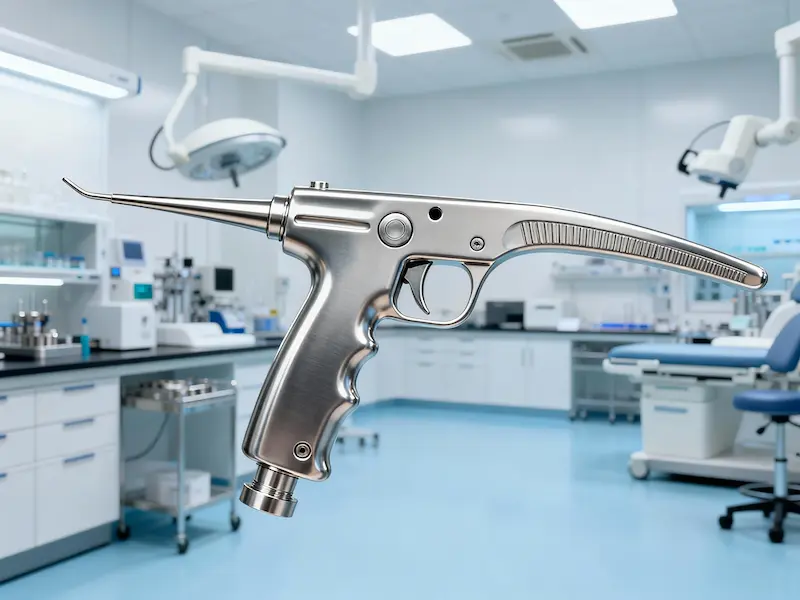
Our CNC machining services support prototypes through production, including:
- CNC Milling
- CNC Turning
- 5-Axis CNC Machining
- Mill-Turn Machining
- CNC Grinding
- Wire EDM
Process selection is based on part geometry, material and precision requirements.
CNC milling, turning and precision machining for prototypes and production parts. Work with our team to match materials, tolerances and finishing to your project.
Built for your next project:
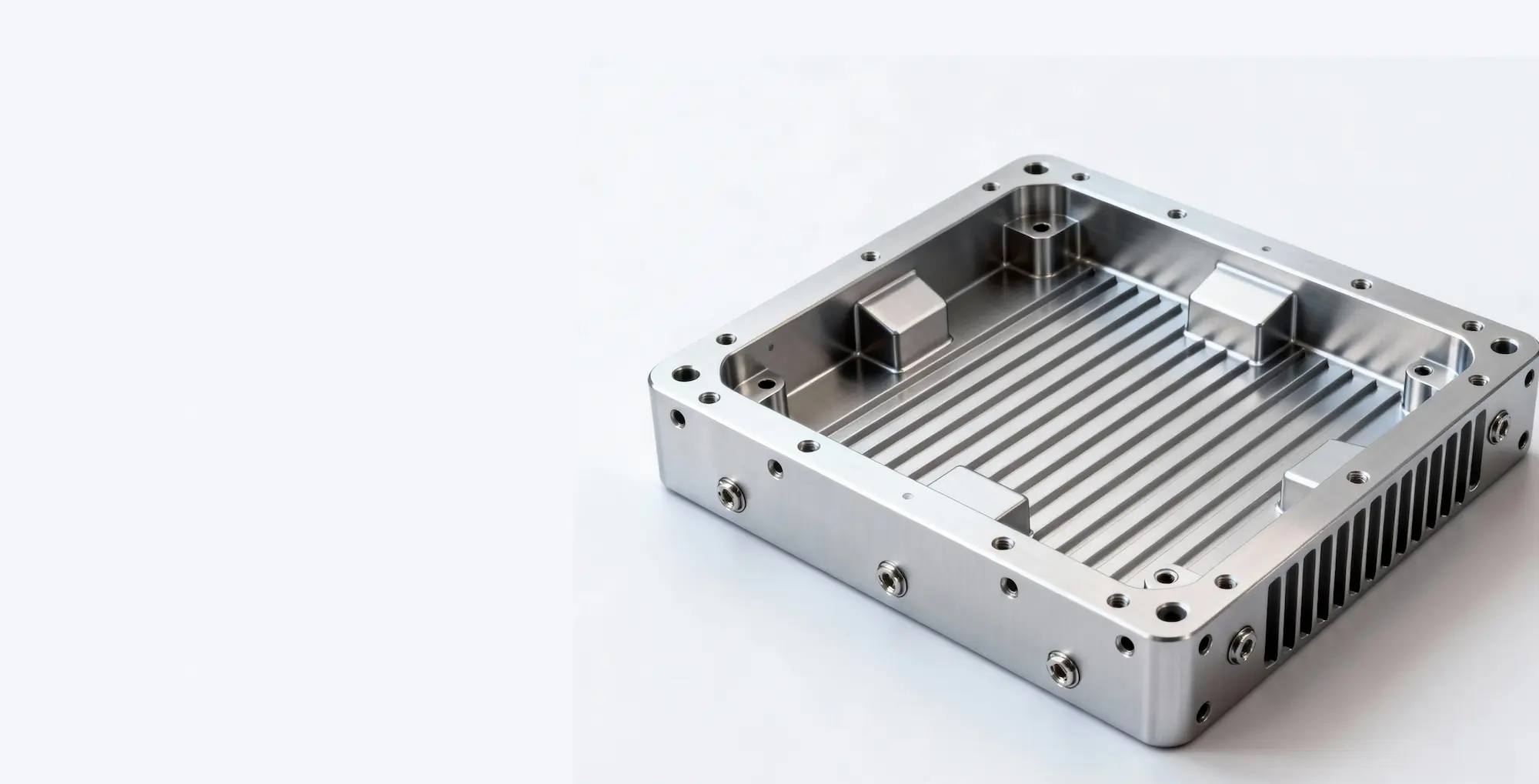








CNC milling, turning, 5-axis machining, mill-turn, grinding, wire EDM, Swiss-type turning, drilling and tapping for complex, precise and repeatable components.
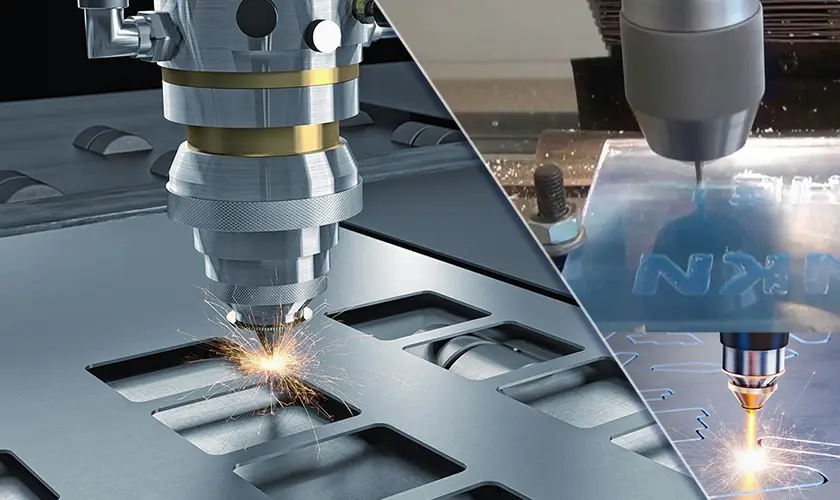
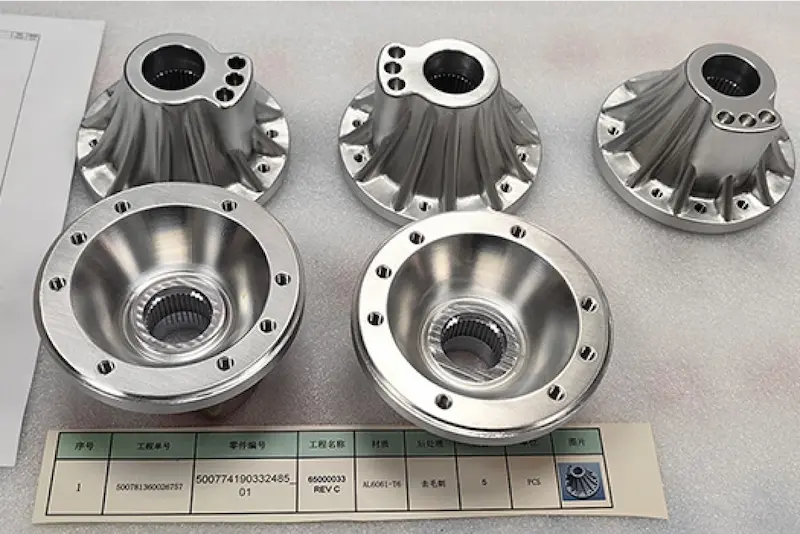
Features: High-precision machining of complex 3D geometries
Materials: Aluminum, stainless steel, copper and engineering plastics
Reference tolerance: ±0.01–0.05 mm
Applications:
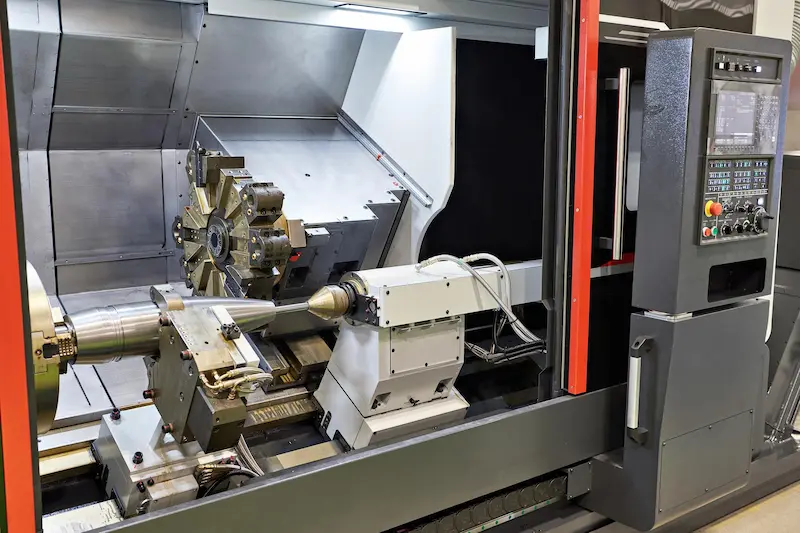
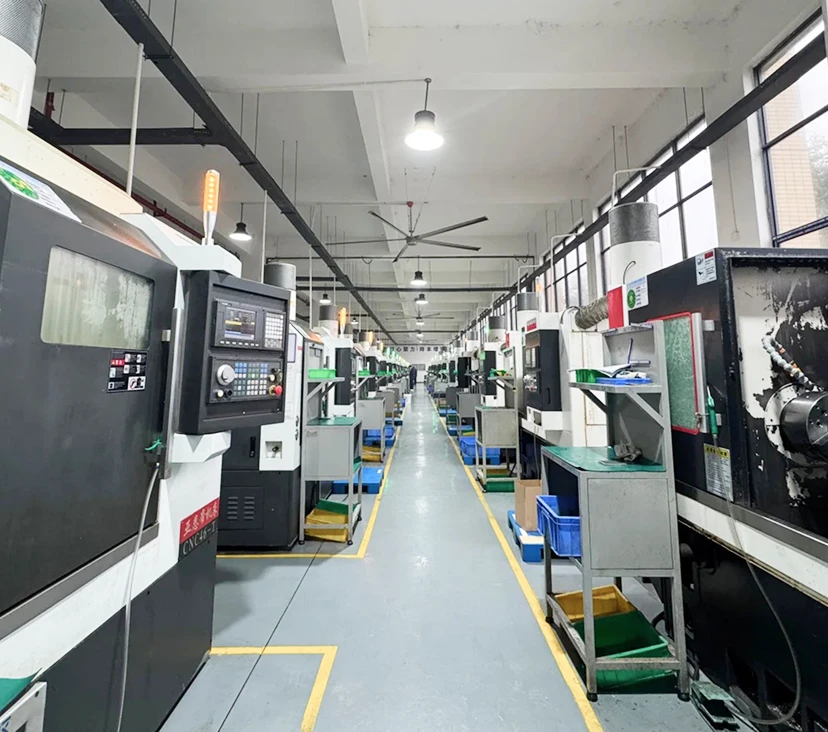
Features: Efficient, repeatable machining of rotational parts
Materials: Aluminum, stainless steel, carbon steel, copper and engineering plastics
Reference tolerance: ±0.01–0.05 mm
Applications:
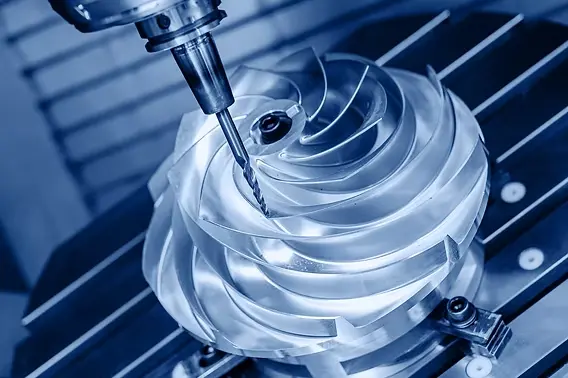
Features: High-precision machining of complex surfaces and multiple faces
Materials: Aluminum, stainless steel, titanium alloys, copper and engineering plastics
Reference tolerance: ±0.01–0.03 mm
Applications:
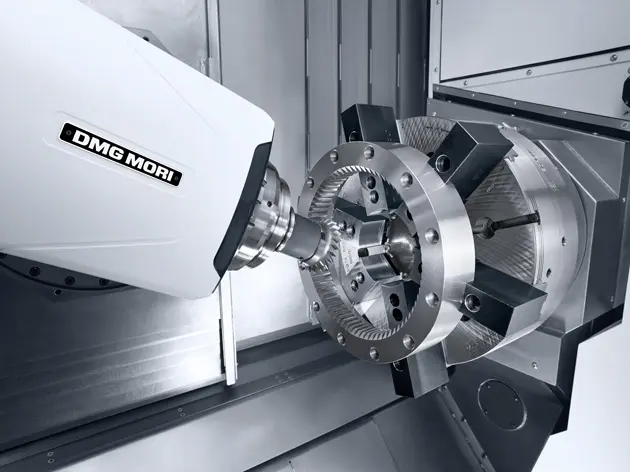
Features: Integrated turning and milling for efficient machining
Materials: Aluminum, stainless steel, carbon steel and copper
Reference tolerance: ±0.01–0.03 mm
Applications:
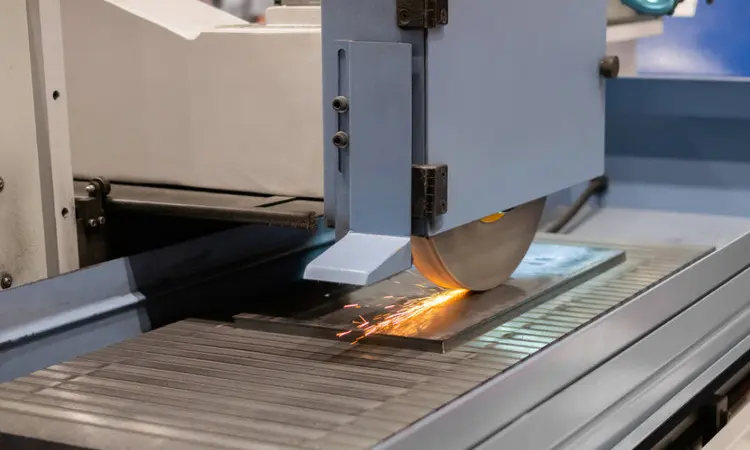
Features: High dimensional accuracy and fine surface finishes
Materials: Hardened steel, alloy steel and stainless steel
Reference tolerance: ±0.002–0.01 mm
Applications:
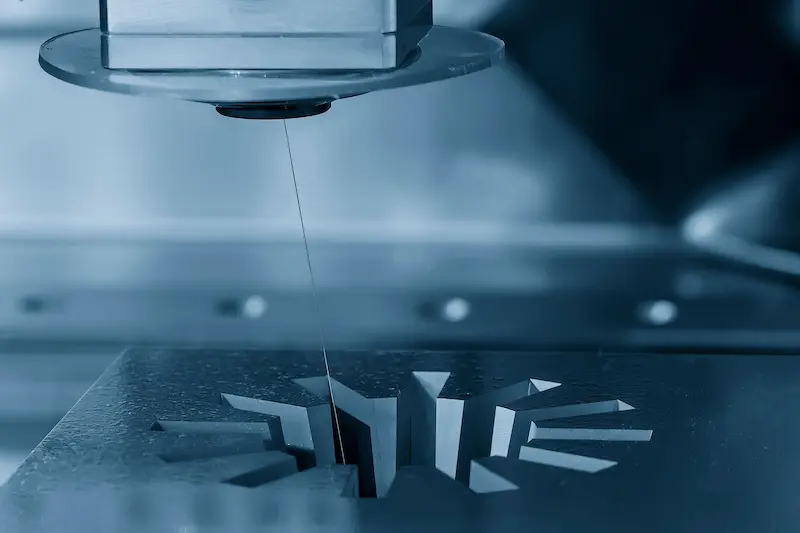
Features: Non-contact machining of hard, electrically conductive materials
Materials: Tool steel, cemented carbide and stainless steel
Reference tolerance: ±0.005–0.02 mm
Applications:
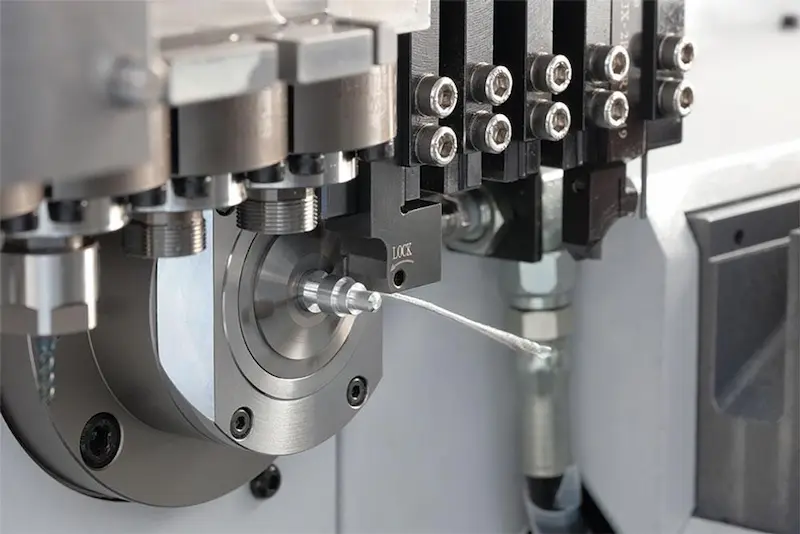
Features: Stable, repeatable machining of long, slender parts
Materials: Stainless steel, copper, aluminum and titanium alloys
Reference tolerance: ±0.005–0.02 mm
Applications:
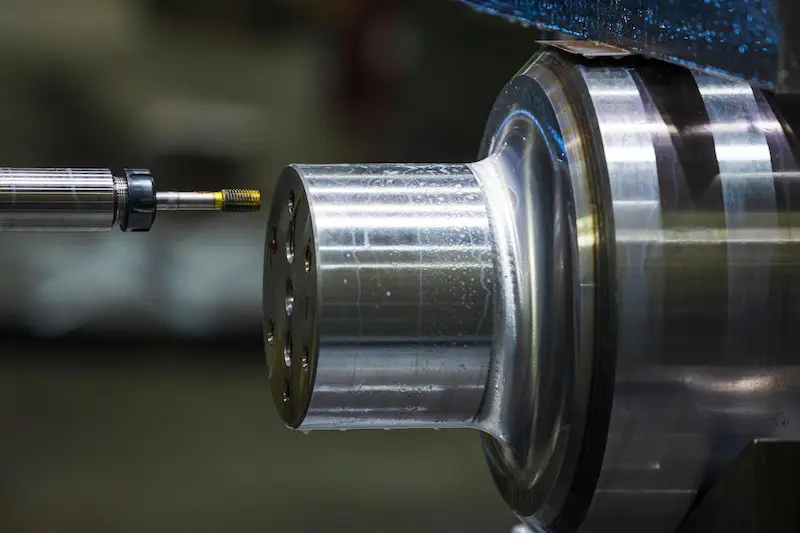
Features: Accurate holes and consistent threads
Materials: Metals and engineering plastics
Reference tolerance: ±0.02–0.05 mm
Applications:
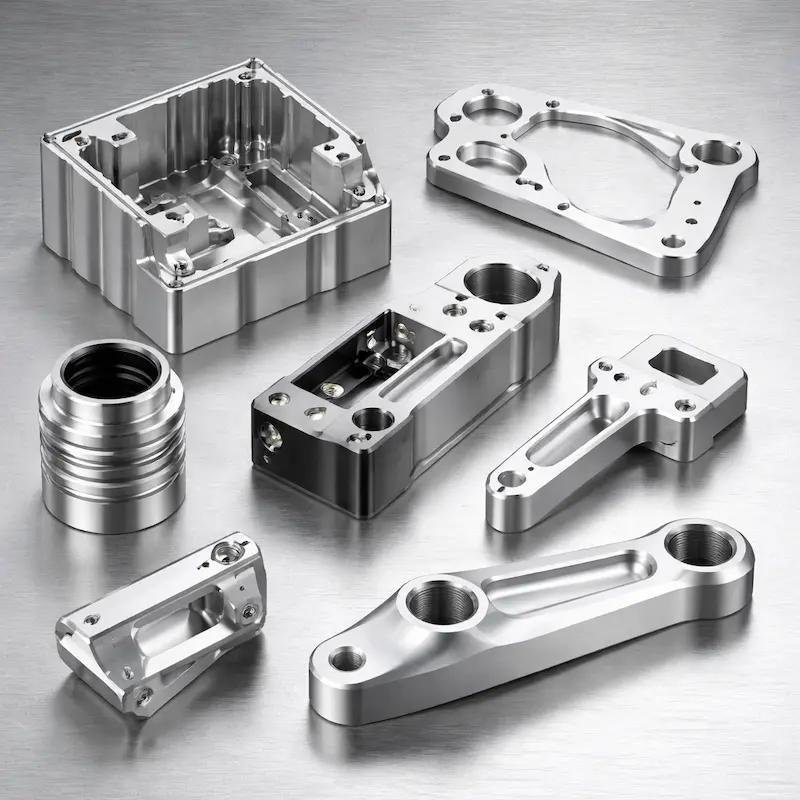
6061 aluminum offers a practical balance of strength, corrosion resistance and machinability. It is widely used for housings, brackets, fixtures and functional prototypes. Finishing options include clear, black or colored anodizing, painting and bead blasting.
View Material Details Request a Quote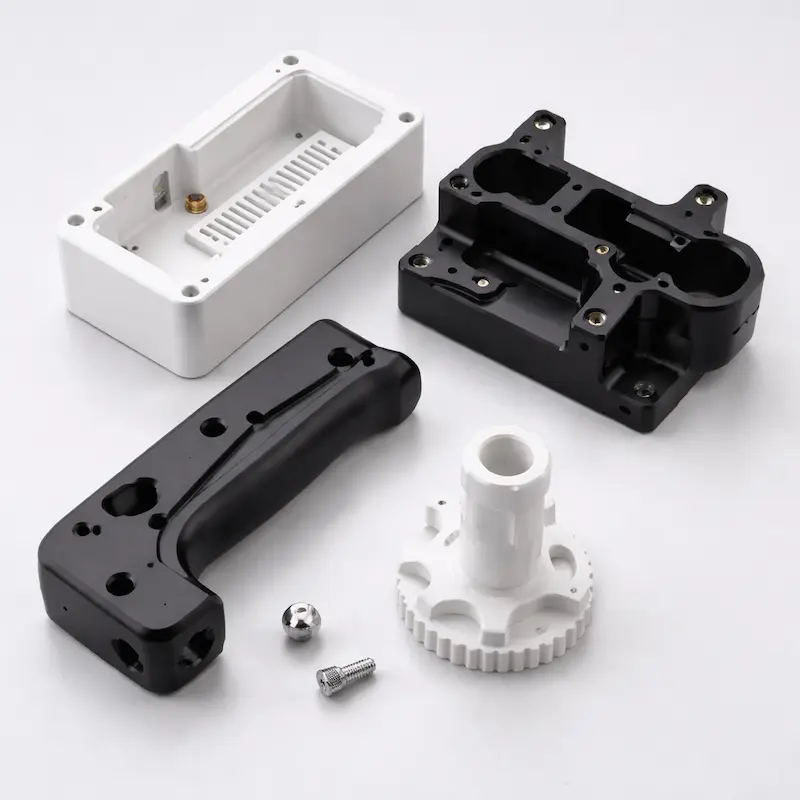
ABS is easy to machine and balances strength and toughness for structural prototypes, housings and assembly parts. Painting and plating provide finish options for cost-effective engineering validation.
View Material Details Request a QuoteCompare material properties, applications and finishing options to find the right solution for your part. If your material is not listed, our team can help review alternatives for your project.
Industrial CNC processes and engineering materials support prototype validation, functional parts and production, with engineering review and project quotations.
Our engineers review STEP, IGES, STL, DWG and DXF files, including dimensions, holes, threads, chamfers, cavities, surfaces and complex features, to assess process options, manufacturability and cost.
CNC design for manufacturability (DFM) review evaluates wall thickness, hole depth-to-diameter ratios, tool access, fixturing, machining direction and tolerances. Early recommendations help reduce machining risks and improve consistency.
Compare CNC milling, turning, 5-axis machining, mill-turn, grinding, wire EDM and other options based on geometry, material, tolerances and quantity, with pricing and lead times to support process selection.
Engineers review the manufacturing process and parameters for each order. Quality control throughout production checks dimensional accuracy, structural requirements and surface finish against the approved specifications.
Choose from aluminum, stainless steel, carbon steel, copper, titanium alloys and engineering plastics. Review process-specific tolerances and surface finish capabilities against your functional, assembly and service-life requirements.
Our CNC machining and complementary manufacturing processes support prototype validation, functional testing and production across medical devices, aerospace, automotive, consumer electronics, robotics and automation. Material selection, complex machining and quality control help teams develop parts and manage manufacturing costs.
These examples illustrate injection molding applications within our broader manufacturing services. They cover design considerations for thin walls, inserts, overmolding and precision plastic parts.
Thin-walled electronic housings require consistent surfaces and reliable assembly fit. DFM review considers draft, ribs and undercuts before tooling, mold trials and low-volume production.
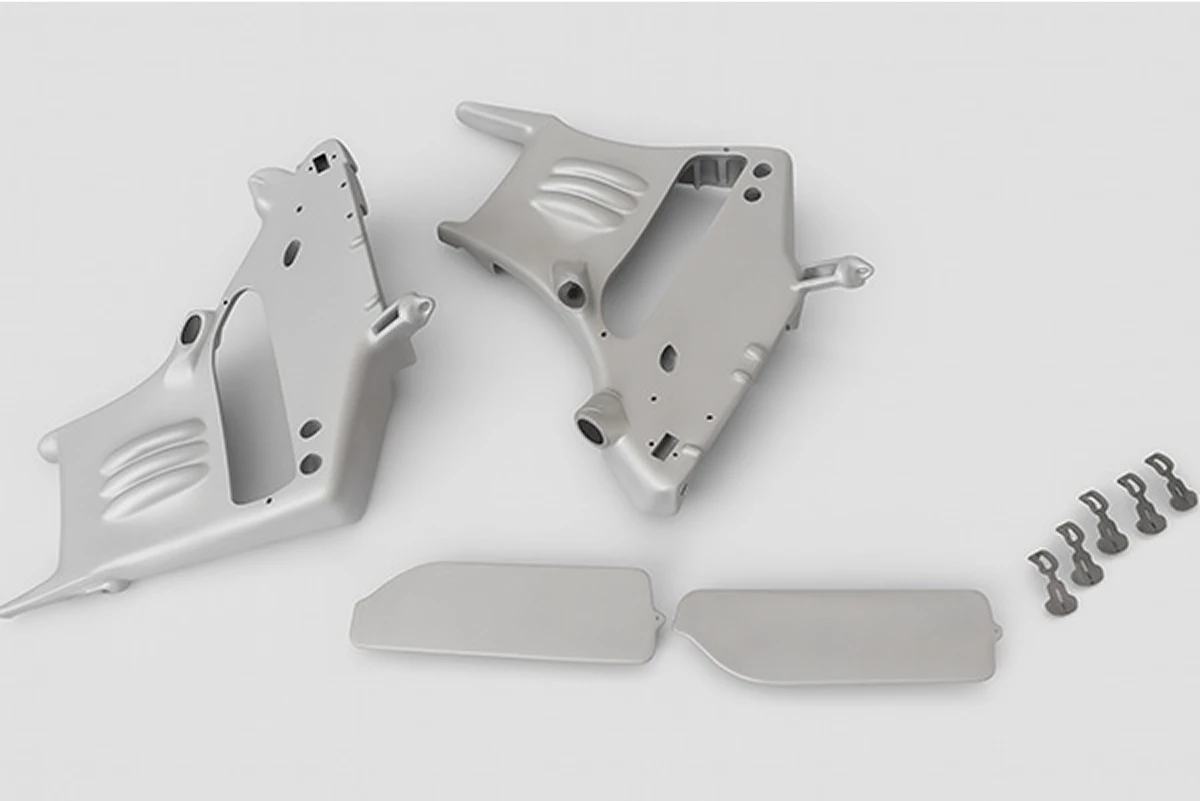
Metal threaded inserts can improve the strength and reliability of plastic assemblies. Insert molding requires accurate insert positioning and adequate plastic encapsulation for retention.
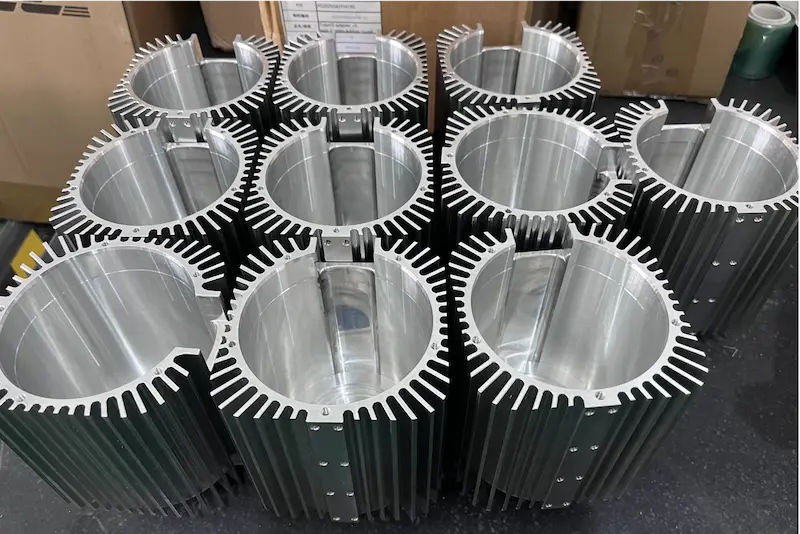
A rigid plastic core with a soft elastomer grip can improve comfort, slip resistance and sealing. Overmolding requires compatible materials and a suitable bond between the rigid and flexible regions.
Multi-cavity injection molds can increase output. Runner balance, cooling and cavity-to-cavity consistency are important for stable production.
Small plastic assembly parts require careful mold design and molding parameters to control dimensional stability and batch variation.
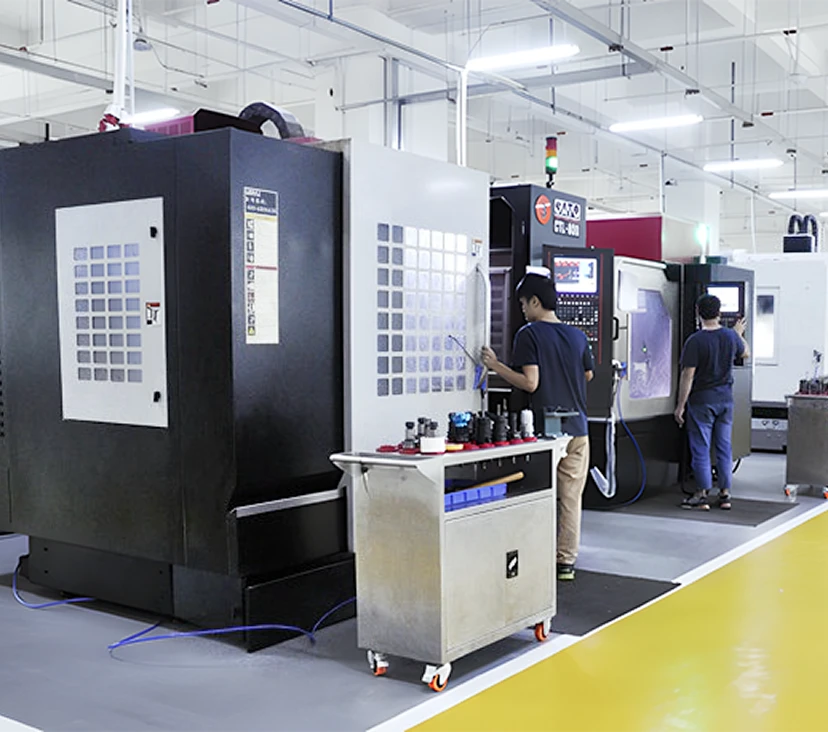
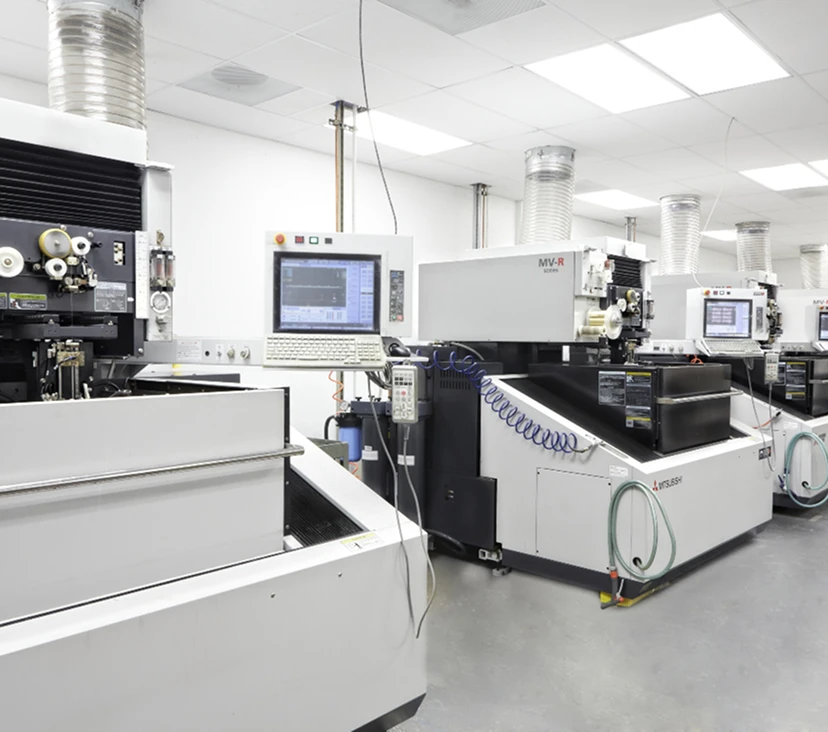
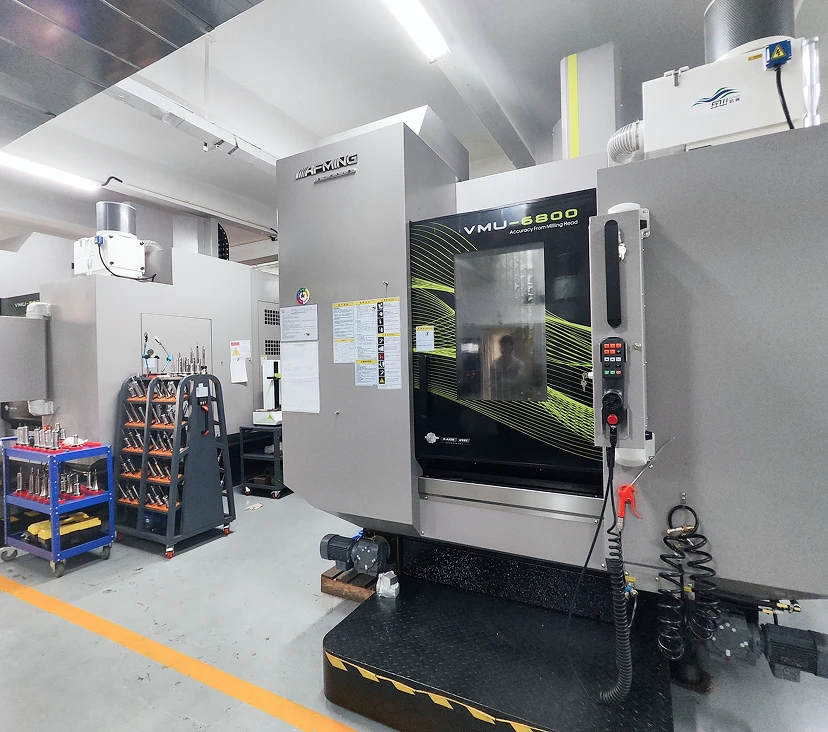
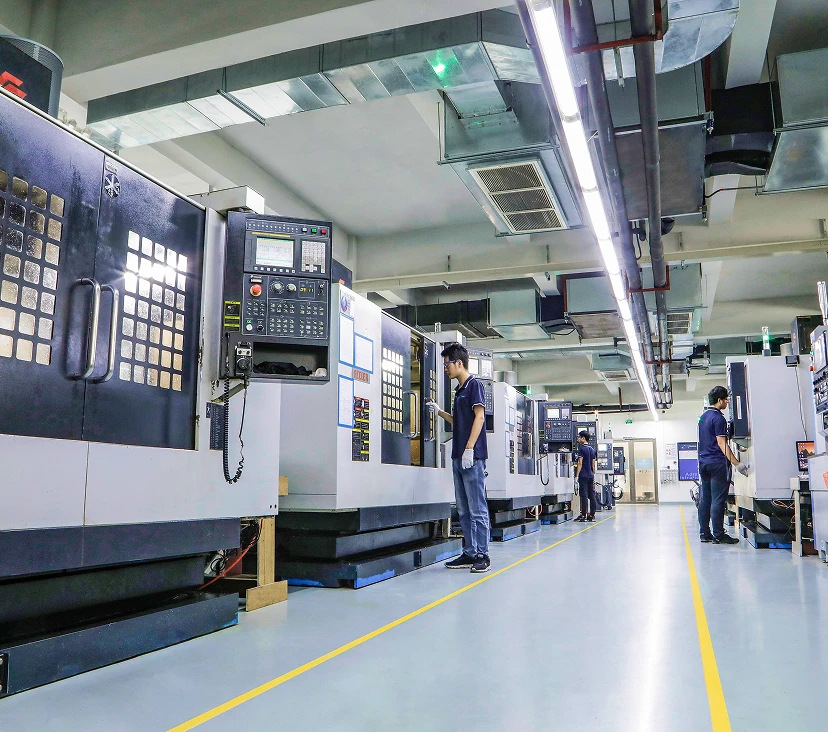
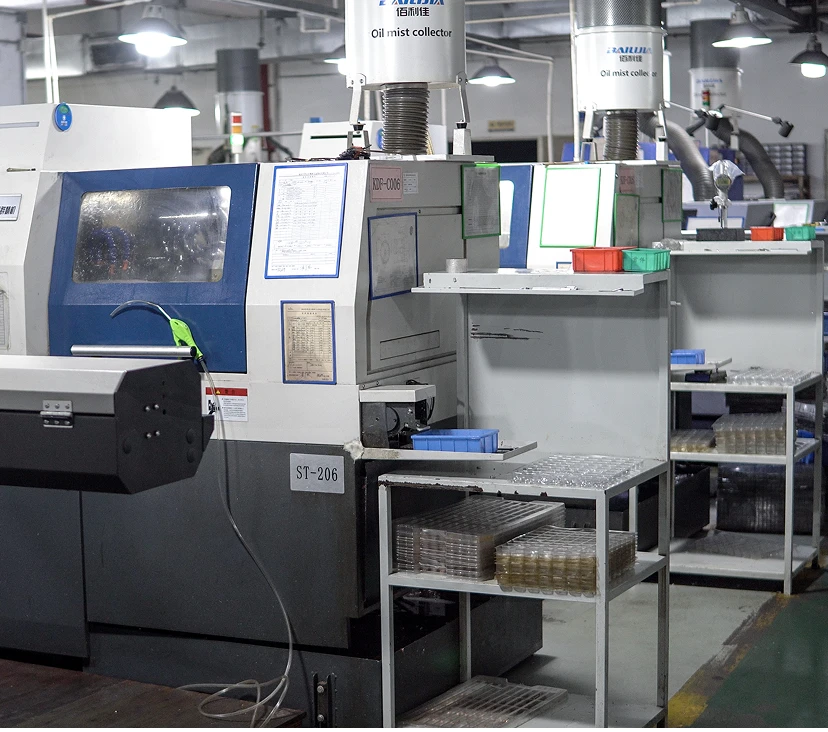
Our CNC machining services support prototypes through production, including:
Process selection is based on part geometry, material and precision requirements.
We support common 3D and 2D engineering file formats:
Provide a STEP model and dimensioned 2D drawings for a more accurate machining review and quote.
Typical CNC machining tolerance ranges:
Achievable tolerances depend on part geometry, material and process selection.
Common materials include:
Submit your drawings for review if you require a special material.
Typical quotation turnaround:
Yes. Our engineers review the design for manufacturability and recommend improvements.
We support single prototypes, low-volume trial runs and volume production, with no minimum order quantity.
Typical lead times:
Available finishing options include:
Our quality process includes: