Custom Parts Manufacturing

Custom Parts Manufacturing

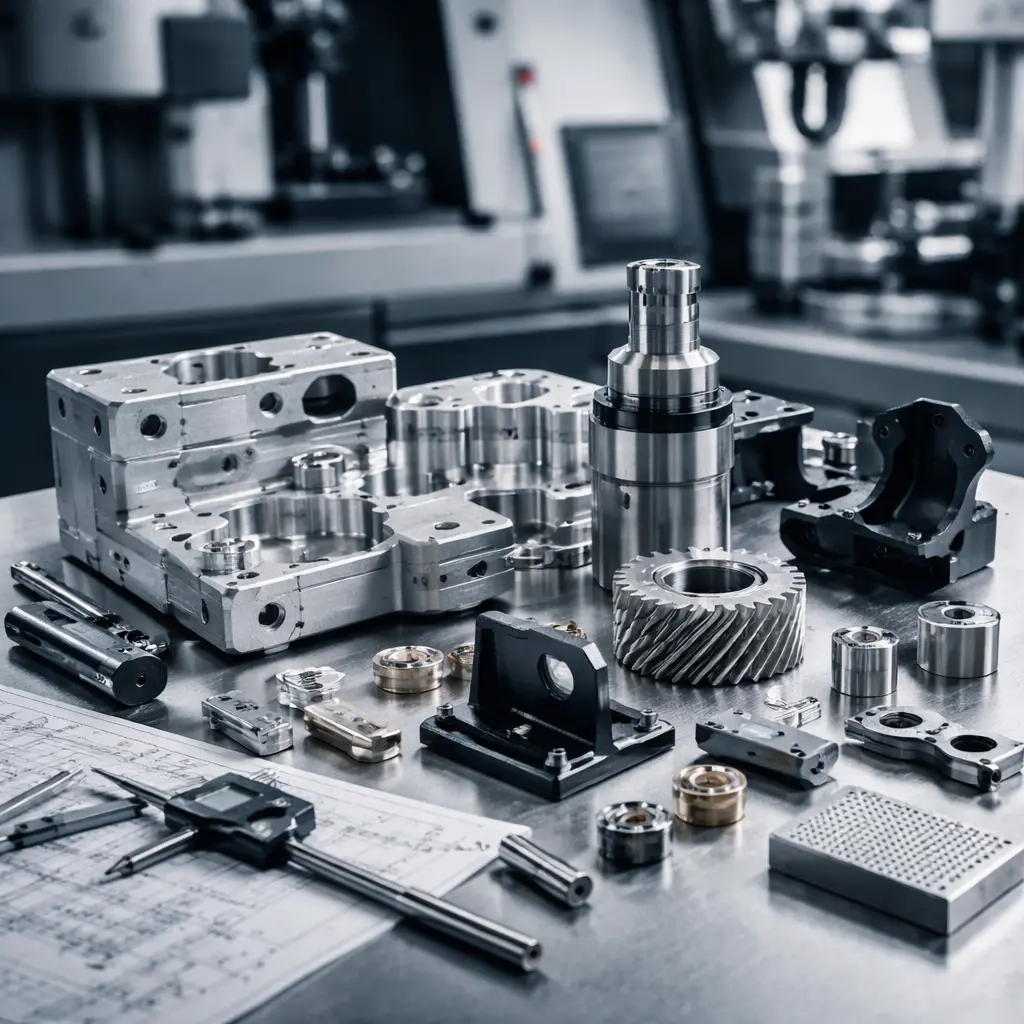
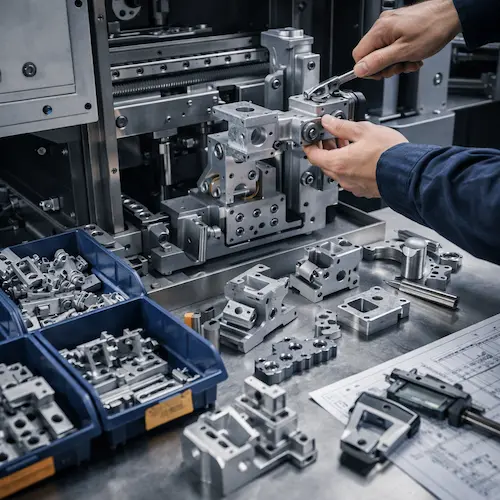
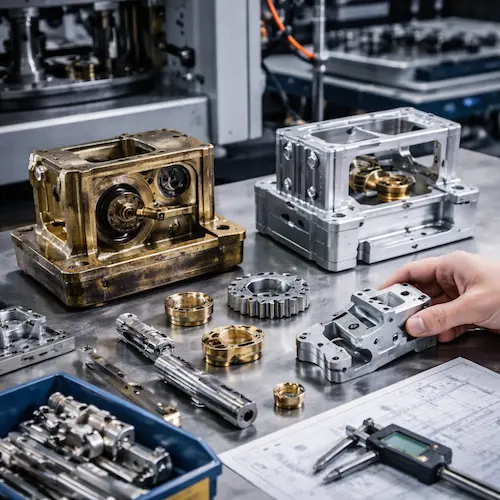
Manufacture custom parts to your drawings and application requirements. We combine CNC machining, sheet metal fabrication, injection molding, vacuum casting and 3D printing with engineering review, process planning and inspection, from prototypes through repeat production.

When Do You Need Custom Parts?

Designs that cannot be sourced as standard parts, or for which catalog components do not meet fit, material, performance or delivery requirements.
Parts with specific geometry, tolerances or material requirements, including strength, temperature resistance, appearance or electrical insulation.
Replacement or interface parts that must fit existing equipment, with defined datums, mating features, space constraints and operating requirements.
Projects moving through validation, pilot builds or production that need consistent quality and dependable delivery.
Request a Quote Discuss Your Requirements With an Engineer
Contact our team to arrange an NDA before sharing sensitive drawings or project information.

What Are Custom Parts?

Custom parts are manufactured to meet your application requirements. We review geometry, assembly interfaces, materials and inspection requirements so that the finished components fit and function as intended.

Nonstandard Dimensions or Geometry

Custom parts extend beyond catalog specifications. A manufacturing review helps preserve design intent while checking structural integrity and manufacturability.

Key considerations:

Nonstandard dimensions or complex geometries
Special hole patterns or interfaces
No suitable standard component available

Assembly, Load-Bearing or Motion Requirements

Parts that contribute to system function must meet fit, load or motion requirements, with clearly defined datums and reliable interfaces.

Key considerations:

Fit and datum control
Load-bearing structures or moving mechanisms
Functional reliability requirements

Defined Material, Precision or Process Requirements

Specify material properties, dimensional accuracy, surface condition and finishing so that parts meet their actual operating requirements.

Key considerations:

Specified material grade or performance
Critical dimensional tolerances
Surface treatment or special processes

Repeat Orders and Future Upgrades

Drawing, material and process revision control supports product updates, equipment maintenance and continuity of supply.

Key considerations:

Repeat orders
Design revisions
Long-term equipment maintenance requirements

Custom Manufacturing Capabilities

Custom parts must be practical to manufacture and suitable for their intended application. Engineering reviews address geometry, assembly, materials, process planning and inspection. Controlled drawing and process revisions support consistent repeat orders.

  1. Requirements Review and DFM

    Use drawings and application information to identify functional datums, critical dimensions and assembly interfaces, review manufacturability and risks, and recommend geometry, material or process improvements before production.

  2. Geometry and Assembly Review

    Review each part within its equipment or system to understand location, fit and motion, improving first-time assembly and reducing the risk of individual parts meeting drawings but failing to fit the system.

  3. Manufacturing Process Planning

    Choose processes to suit part geometry and requirements: CNC machining (functional parts), sheet metal fabrication (structures), injection molding (plastics) and 3D printing (prototype validation), combining processes where appropriate.

  4. Quality and Functional Verification

    Plan the required dimensional inspection, appearance checks and assembly validation to confirm that parts meet the agreed requirements before delivery.

  5. Revision Control and Ongoing Supply

    Control drawing, material and process revisions to support repeat orders, design upgrades and life cycle maintenance, creating reusable manufacturing information for future work.

Common Custom Part Applications

Custom parts are designed for fit, function and engineering verification. We support prototype validation, project delivery, system integration and replacement upgrades with parts matched to their actual use.

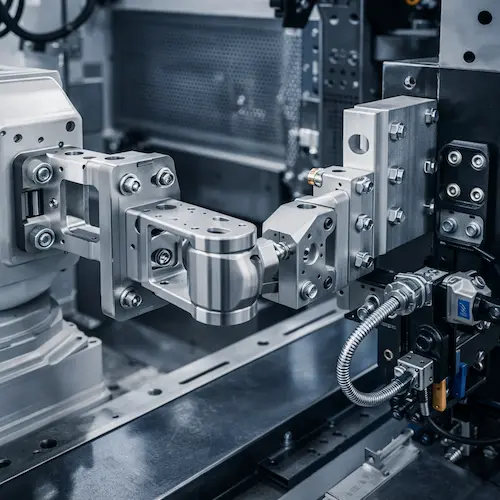
Custom mounting brackets and nonstandard connectors for system integration

Equipment and System Integration

Custom parts for equipment modifications, system integration and interface adaptation, with defined mounting, alignment and traceability requirements.

Typical parts:

Custom mounting brackets
Nonstandard connectors
System adapters
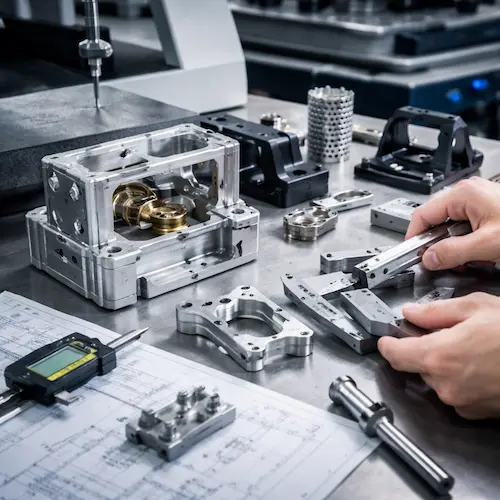
Custom functional prototypes and engineering validation parts

Prototype and Engineering Validation

Rapid samples for functional testing, assembly checks and engineering reviews, with attention to critical dimensions and structural risks.

Typical parts:

Custom functional prototypes
Special test components
Assembly and clearance validation parts
Custom components for project-based delivery

Project-Based Delivery

Manufacture parts to project milestones and assembly schedules, including low-volume orders and phased shipments to reduce delays and rework.

Typical parts:

Project-specific components
Low-volume custom parts
Milestone-based shipments
Replacement and upgrade parts for existing equipment

Replacement Parts and Upgrades

Custom replacements support older equipment, discontinued components and performance improvements. Controlled revisions make future orders easier to manage.

Typical parts:

Replacement parts for existing equipment
Custom performance upgrades
Repeat orders with controlled revisions

Our Custom Manufacturing Process

  1. Share Drawings and Application Details

    • Common 2D and 3D formats include STEP, IGES, STL, DWG and DXF
    • Include assembly relationships, interface dimensions, datums, tolerances, loads and operating conditions such as temperature, corrosion and wear
    • Timing: Review starts after the drawings and requirements are complete
  2. DFM Review and Feasibility Assessment

    • Review thin walls, deep cavities, distortion, workholding, holes, fits, tolerance stacks and finishing effects
    • Recommend chamfers, radii, wall thicknesses, draft, parting lines, assembly datums and inspection methods
    • Timing: Initial recommendations follow engineering review
  3. Confirm the Process Route and Quotation

    • Select the right combination of CNC machining, sheet metal fabrication, injection molding, vacuum casting and 3D printing, and define the critical quality checkpoints.
    • Provide pricing, material and finishing recommendations, lead time and shipment options for single parts, pilot builds or phased orders
    • Timing: Review and quotation schedule agreed for your project
  4. Prototype Builds and Quality Verification

    • Use samples or a pilot build where required to verify assembly, function and appearance
    • Agree on critical dimension checks, CMM or gauge methods, appearance criteria and assembly records
    • Typical delivery plan: Proceed to low-volume or milestone delivery after sample approval
  5. Delivery and Revision Control

    • Ship by the agreed batches with dimensional reports, inspection records or material certificates as required
    • Use engineering change control (ECN) to support repeatability and traceability
    • Timing: Shipping time depends on destination, service and customs clearance

Build Your Next Project With Us

Contact our team about confidentiality before sharing sensitive files.

Frequently Asked Questions