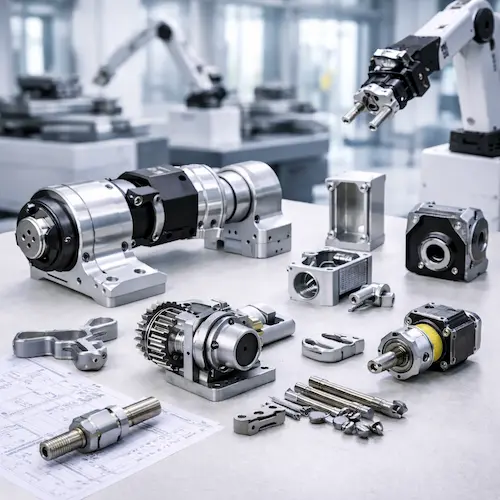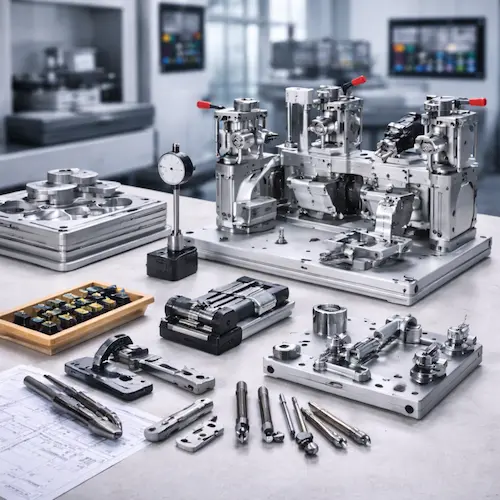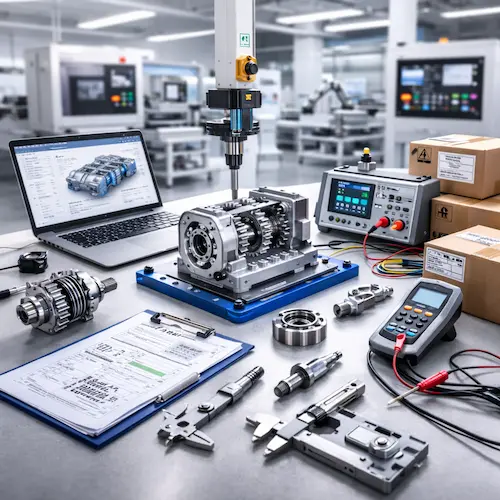
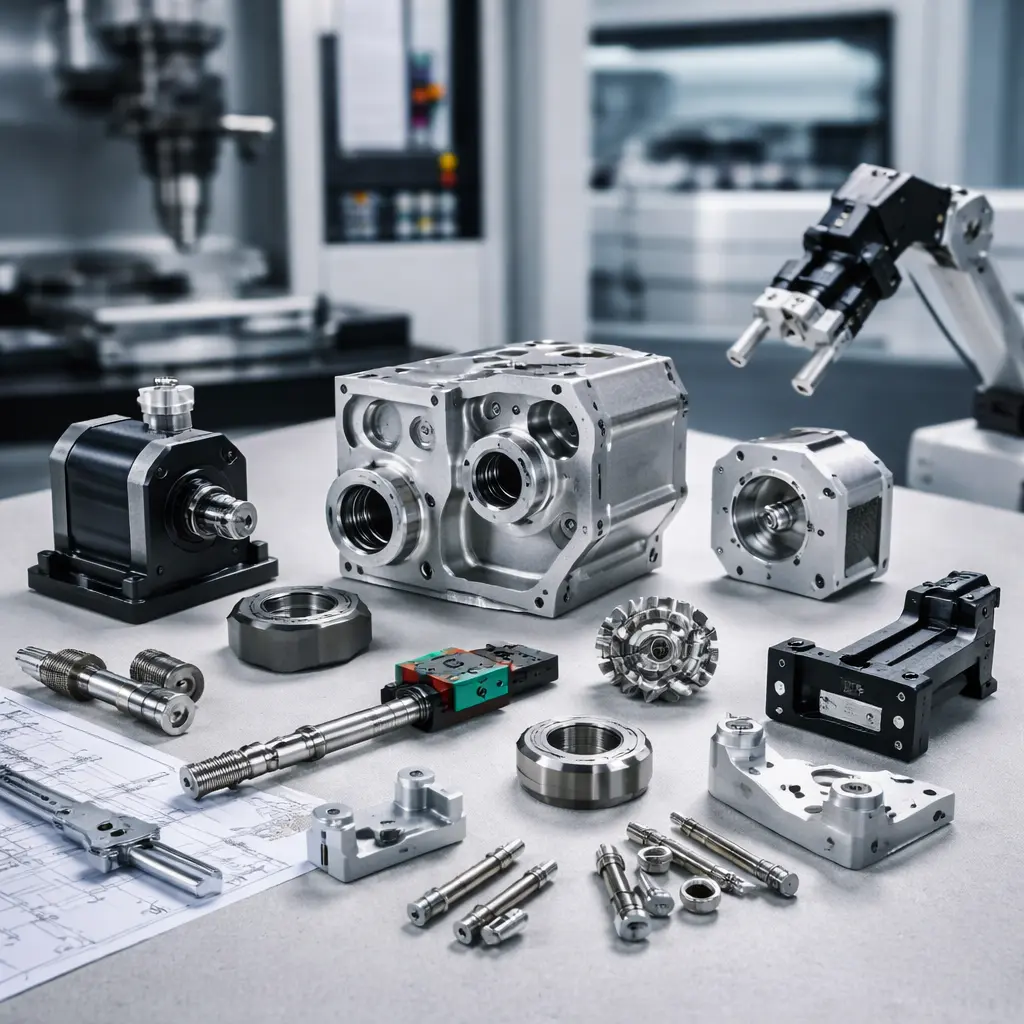
Functional parts manufacturing for mechanical loads, motion, assembly and long-term use, supporting testing, pilot builds and production.

Functional Parts Manufacturing

Manufacture functional components to defined strength, load, assembly and service requirements. Engineering reviews, process planning and inspection support prototypes, test parts, pilot builds and repeat production in metals and engineering plastics.

When Do You Need Functional Parts?

Parts that must withstand mechanical loads, accommodate motion or perform reliably over a defined service life.
Prototypes that require testing under operating conditions, including load, fatigue, wear, temperature and assembly checks.
Projects moving into functional validation, pilot production or customer delivery that need a stable, repeatable manufacturing process.
Components that must meet defined requirements for assembly fit, function and production use.
Request a Quote Explore Our Capabilities
Contact our team to arrange an NDA before sharing sensitive drawings or project information.

What Makes a Part Functional?

Functional parts are intended to perform a defined role in an assembly or piece of equipment. Depending on the application, requirements may include load capacity, motion, dimensional fit, wear resistance and service life.

Functional Parts

Select materials, tolerances and manufacturing processes to suit the required function. Inspection and testing should reflect the actual loads, interfaces and operating conditions.

Primary purpose: reliable operation in the system
  • Load-bearing: As required by the application
  • Motion: As required by the application
  • Dimensional requirements: Defined by function and assembly
  • Material selection: Based on service requirements
  • Service life: Defined by the application
Appearance Models

Used for presentations and visual evaluation, with emphasis on form and appearance rather than extended operation.

Primary purpose: visual evaluation
  • Load-bearing performance: Not the primary evaluation goal
  • Motion: Evaluated only if included in the model scope
  • Dimensional requirements: Defined by the visual review
  • Material selection: Appearance first
  • Service life: Not normally representative of production

When your application requires load capacity, motion, assembly or long-term operation, evaluate materials, accuracy, tolerances and processes against functional requirements.

Common Functional Part Applications

Mechanical equipment, motion systems, fixtures and test assemblies place different demands on parts. Define strength, fit, tolerances, surface condition and operating requirements before selecting a manufacturing process.

Machinery and automation components: moving parts, connectors and brackets

Machinery and Automation Equipment

Structural and moving parts for equipment upgrades and production line modifications, manufactured for fit and function.

Common parts:

Moving components
Connectors
Functional brackets
Robotics and motion components: joint connectors, load-bearing structures and mounts

Robotics and Motion Systems

Precision, stiffness and reliability for mechanisms and joint assemblies.

Common parts:

Joint connectors
Load-bearing structures
Functional mounting components
Industrial tooling components: fixtures, locating structures and reusable parts

Industrial Tooling and Fixtures

Reusable workholding, positioning and structural components for production and assembly lines.

Common parts:

Jigs & Fixtures
Locating structures
Reusable functional components
Engineering test parts, project-specific components and extended-use samples

Engineering Tests and Project Builds

Parts for acceptance checks and extended testing, with consistent results and defined performance requirements.

Common parts:

Engineering test components
Project-specific functional parts
Extended-use test parts

Functional Manufacturing Capabilities

We review load paths, materials, datums, tolerances and assembly interfaces before selecting a process. In-process controls and documented inspection support dimensional consistency and traceability; functional testing is agreed to suit the application.

  1. Engineering Feasibility Review

    Confirm load, motion, service life and assembly requirements before production. Review load paths, interfaces, datums, workholding, tool access and thin-wall risks, distinguishing functional dimensions from cosmetic features.

  2. DFM, Tolerance and Datum Planning

    Define datums, holes, fits, coaxiality, flatness, threads, inserts, chamfers, radii and clearances against assembly and process needs. Clear machining and inspection criteria improve repeatability across pilot builds and production batches.

  3. Process Selection for Functional Parts

    Choose CNC machining for precision metal or plastic parts, sheet metal fabrication for structures and enclosures, injection molding for consistent plastic production, or 3D printing for complex prototypes. Compare cost, lead time and process limits to plan the current and next manufacturing stages.

  4. Traceable Quality Control

    Use incoming material checks, first article inspection, in-process sampling, critical dimension checks and outgoing inspection. Dimensional reports and CMM or gauge records are available as agreed for traceability and acceptance.

  5. Materials and Finishes for End Use

    Select engineering plastics, nylon or metals with finishes such as bead blasting, anodizing, plating, painting or screen printing. Review strength, wear resistance, heat resistance and fit, including finishing effects on critical dimensions.

Our Functional Parts Manufacturing Process

  1. Share Drawings and Application Requirements

    • Common 2D and 3D formats include STEP, IGES, STL, DWG and DXF
    • Include load, motion, assembly or testing requirements and critical dimensions
    • Review timing: Confirmed after we receive your requirements
  2. Engineering Review and Manufacturing Plan

    • Review loads, assembly, tolerances and manufacturability
    • Select CNC machining, injection molding, sheet metal fabrication or 3D printing
    • Output: Initial process and material recommendations
  3. DFM Review and Quotation

    • Recommend design improvements and confirm critical tolerances
    • Provide pricing, material options and delivery plans
    • Results: An actionable manufacturing plan
  4. Manufacturing and Process Control

    • Manufacture and inspect to the approved plan
    • Support assembly checks, functional testing and low-volume production as agreed
    • Objectives: Consistent parts suited to the intended use
  5. Delivery and Ongoing Support

    • Ship parts with the agreed inspection records
    • Support follow-up testing, production and design improvements
    • Value: A repeatable manufacturing route

Build Your Next Project With Us

Contact our team about confidentiality before sharing sensitive files.

Frequently Asked Questions