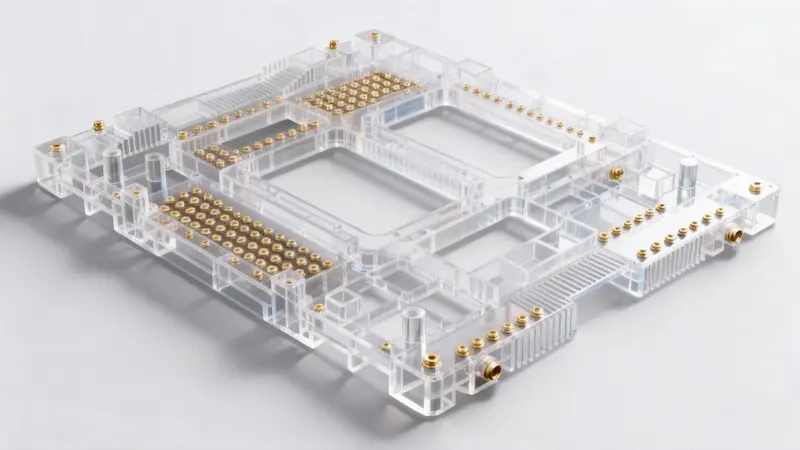
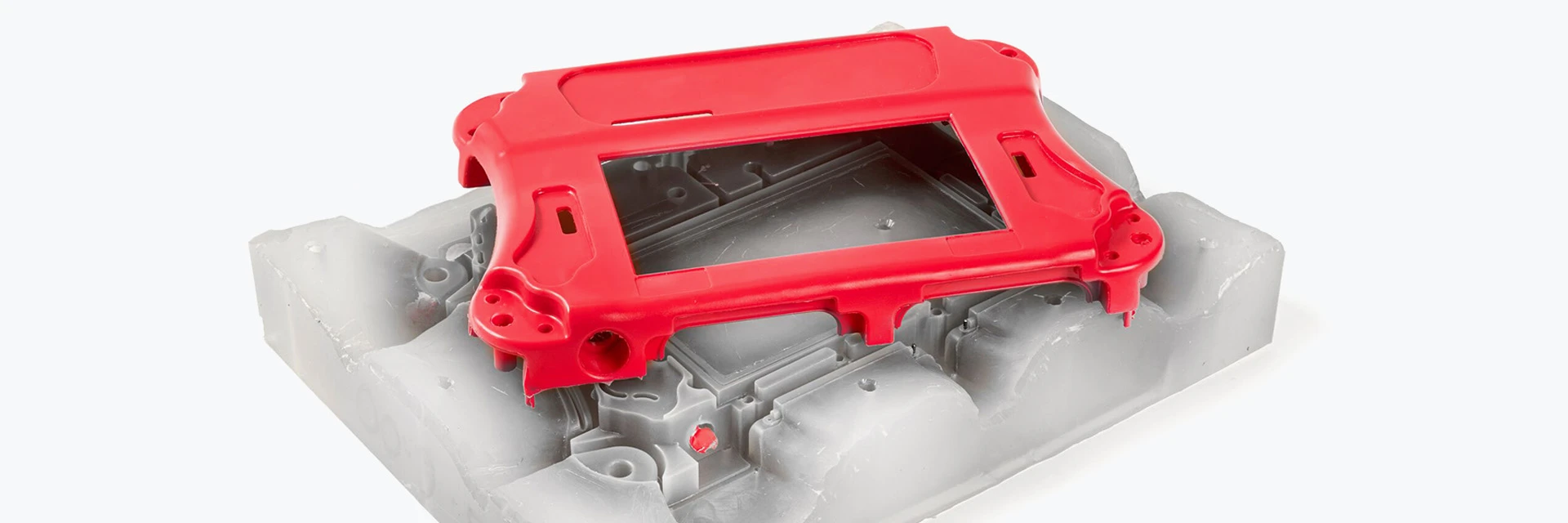
Common engineering formats include:
- 3D: STEP, IGES, Parasolid and STL
- 2D: DWG, DXF and PDF
Please include a STEP file and dimensioned 2D drawing with critical dimensions, datums, assembly information, appearance criteria and inspection requirements.
Manufacturing support for vehicle development, functional testing, pilot builds and repeat supply. We help translate approved drawings into prototype and production parts with defined materials, inspection requirements and revision control.
Plan each build around its engineering objectives, quantity and schedule. CNC machining, sheet metal fabrication and injection molding support different development stages, with attention to manufacturability, assembly fit and consistency across batches.
Request a Quote Talk to an Engineer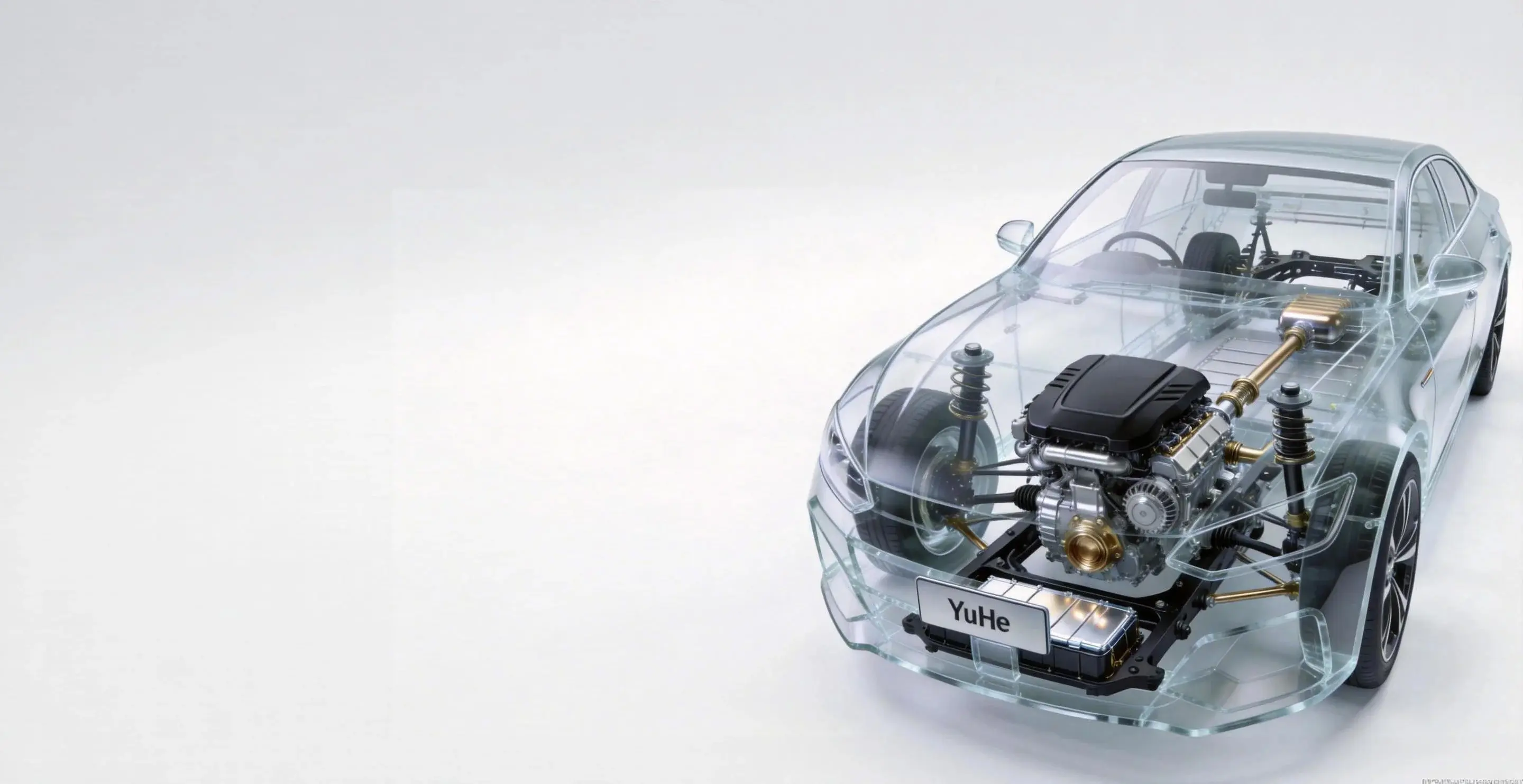
Automotive components must meet the requirements of the complete assembly. Define fit, function, material, inspection and revision requirements for each build stage, then establish the process controls needed before quantities increase.
Dimensions, position and fit affect assembly efficiency, noise, vibration and harshness (NVH), and overall vehicle consistency. Manufacturing controls must reflect the assembled system.
Key considerations:
Vibration, thermal cycling and complex loads affect long-term performance. Material condition, residual stress and assembly methods must be considered.
Key considerations:
Prototype, engineering and production stages have different goals, process stability requirements and documentation needs. The manufacturing plan must evolve with the project.
Key considerations:
Automotive process and sourcing decisions must balance cost, delivery schedules and repeatability.
Key considerations:
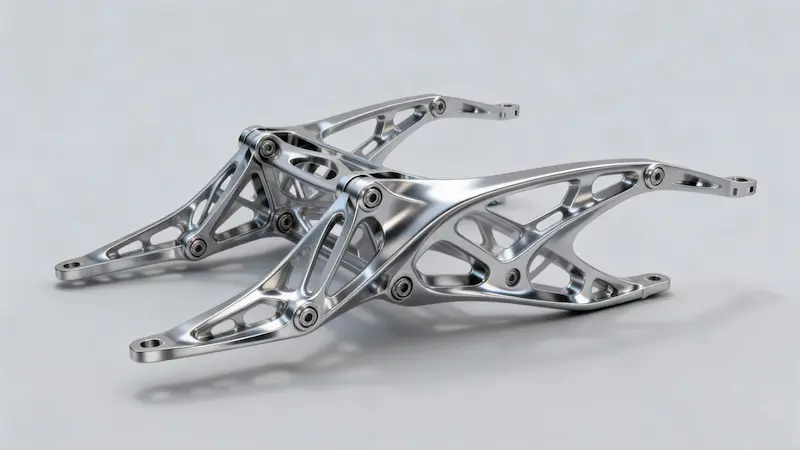
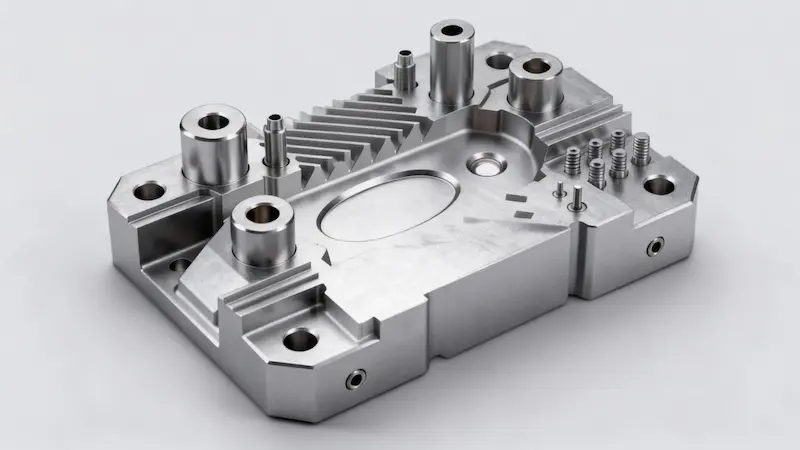
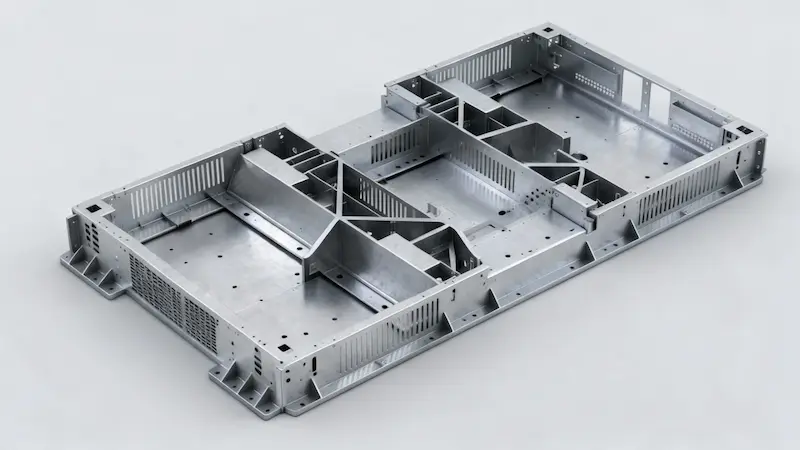
For automotive R&D and pilot projects, we support structural parts, functional components, appearance models and fixtures using processes suited to prototype validation, functional tests and low-volume trials. The parts below are examples; actual scope, testing and qualification requirements are reviewed for each project.
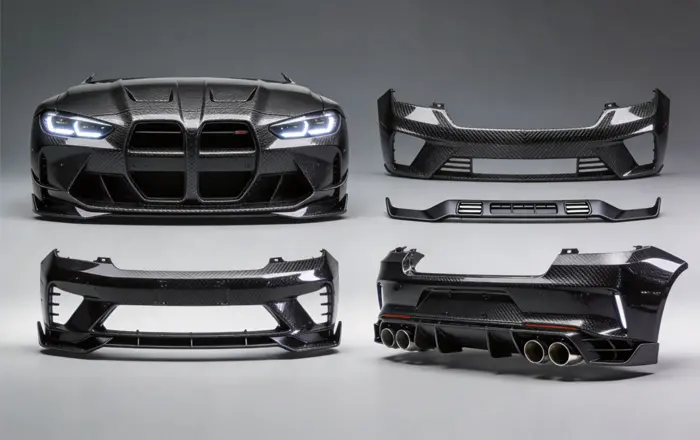
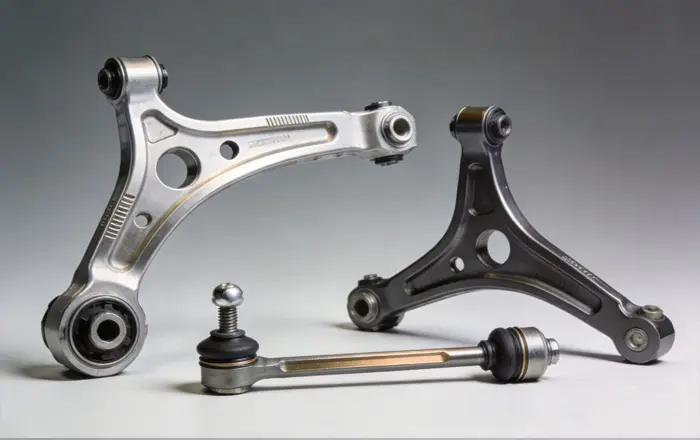
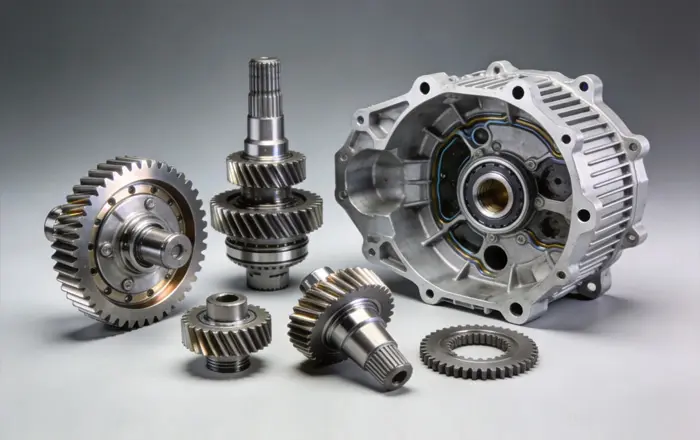
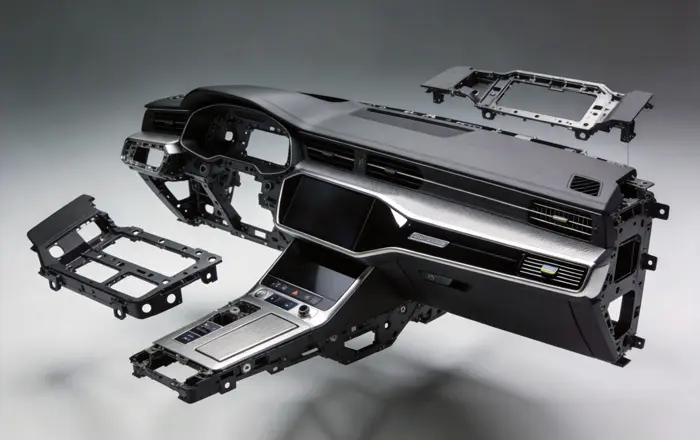
Choose processes for prototype validation, pilot builds and production based on part geometry, material, quantity and project requirements.
Successful automotive manufacturing requires repeatable fit, performance and batch quality with controlled revisions, predictable lead times and manageable costs. We support R&D and pilot builds through assembly reviews, process consistency, change control and production planning.
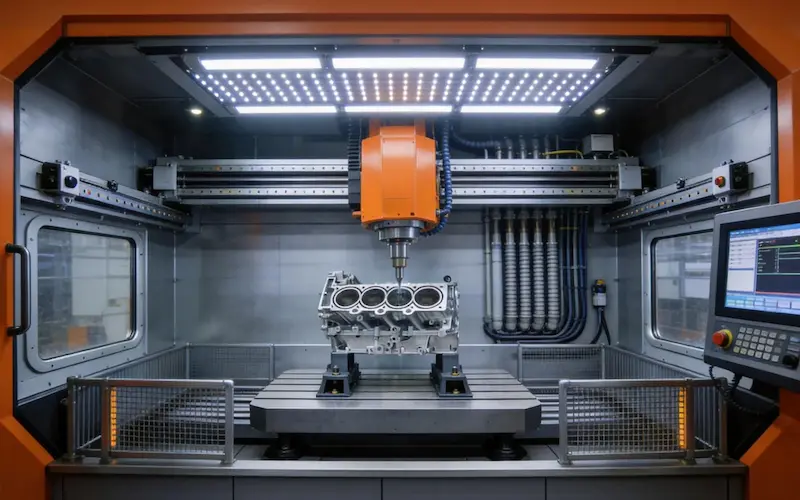
Review interfaces, locating datums and assembly relationships for interference, gaps, coaxiality and position errors. Recommend tolerance allocation, process routes and workholding where needed.
Define the goals of each build stage, then record critical dimensions, approved samples, process routes, tooling strategies and finishing effects to reduce variation during production ramp-up.
Compare the bill of materials (BOM) and drawing revisions, then confirm critical dimensions, materials and finishes. Clear revision identification and change records help prevent mixed versions and incorrect parts.
Use adaptable processes and fixtures where they meet validation needs. Assess the operations, cost and lead time affected by each change, and consider approved material alternatives, consolidated operations or process improvements.
Establish critical dimension controls, repeatable settings and inspection methods during pilot production. Review readiness and capacity before increasing volume.
Common engineering formats include:
Please include a STEP file and dimensioned 2D drawing with critical dimensions, datums, assembly information, appearance criteria and inspection requirements.
Typical process options include:
Process selection considers prototype lead time, assembly and functional requirements, tooling readiness, cost and batch repeatability. We recommend a manufacturing route after reviewing the current build stage and project requirements.
Our goal is repeatable assembly and operation across the batch.
Documented build requirements and verified process controls help maintain consistency as the project moves from prototypes to pilot production.
Each change should be assessed, reviewed and traceable.
Yes. We support prototypes, engineering builds, pilot batches and repeat supply. Approved drawings, defined process settings and agreed inspection methods provide a consistent reference as quantities increase.
Documentation can be agreed to suit the project, including:
Include critical-to-quality (CTQ) features and inspection requirements with your request so we can agree on the plan.
Lead time depends on process, materials, finishing and inspection scope. We review requirements for:
For urgent requirements, include your target date and key constraints so we can assess manufacturing and shipping options.
Contact our team to arrange an NDA before sharing sensitive drawings, BOMs, revision data or inspection requirements.