
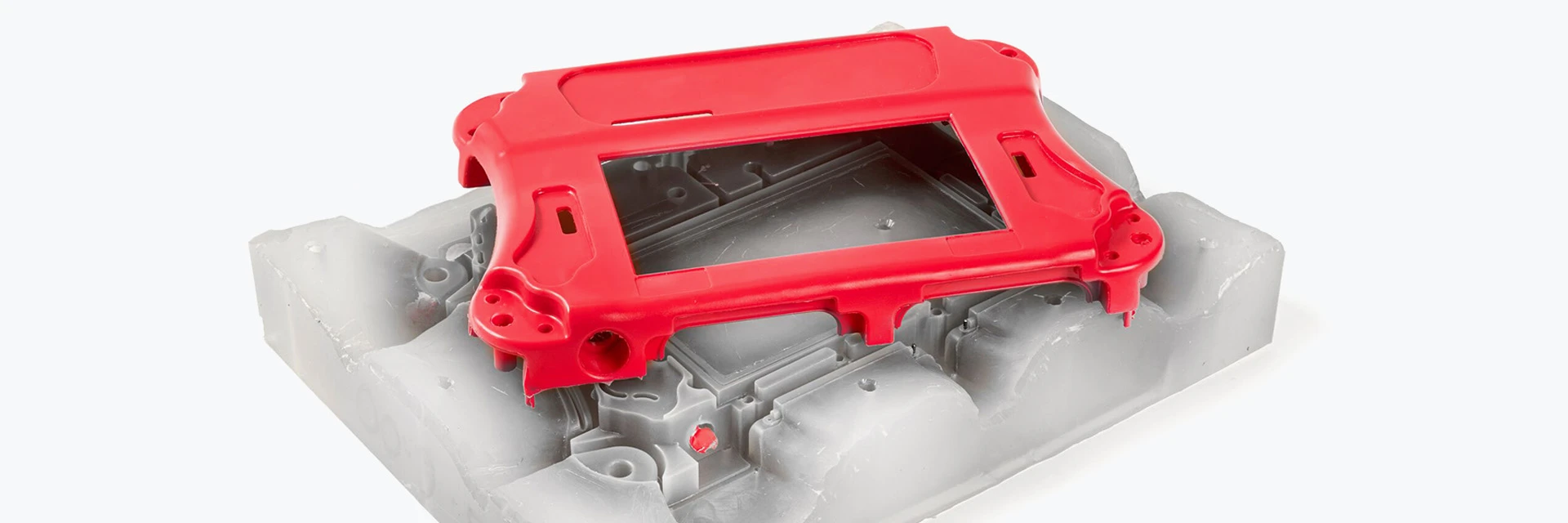
Common engineering formats include:
- 3D: STEP, IGES, Parasolid and STL
- 2D: DWG, DXF and PDF
Provide a STEP file and a dimensioned 2D drawing to help us assess critical dimensions and inspection requirements.
Manufacturing support for aerospace R&D, testing, ground equipment and non-flight-critical components, from functional prototypes to pilot builds and repeat production.
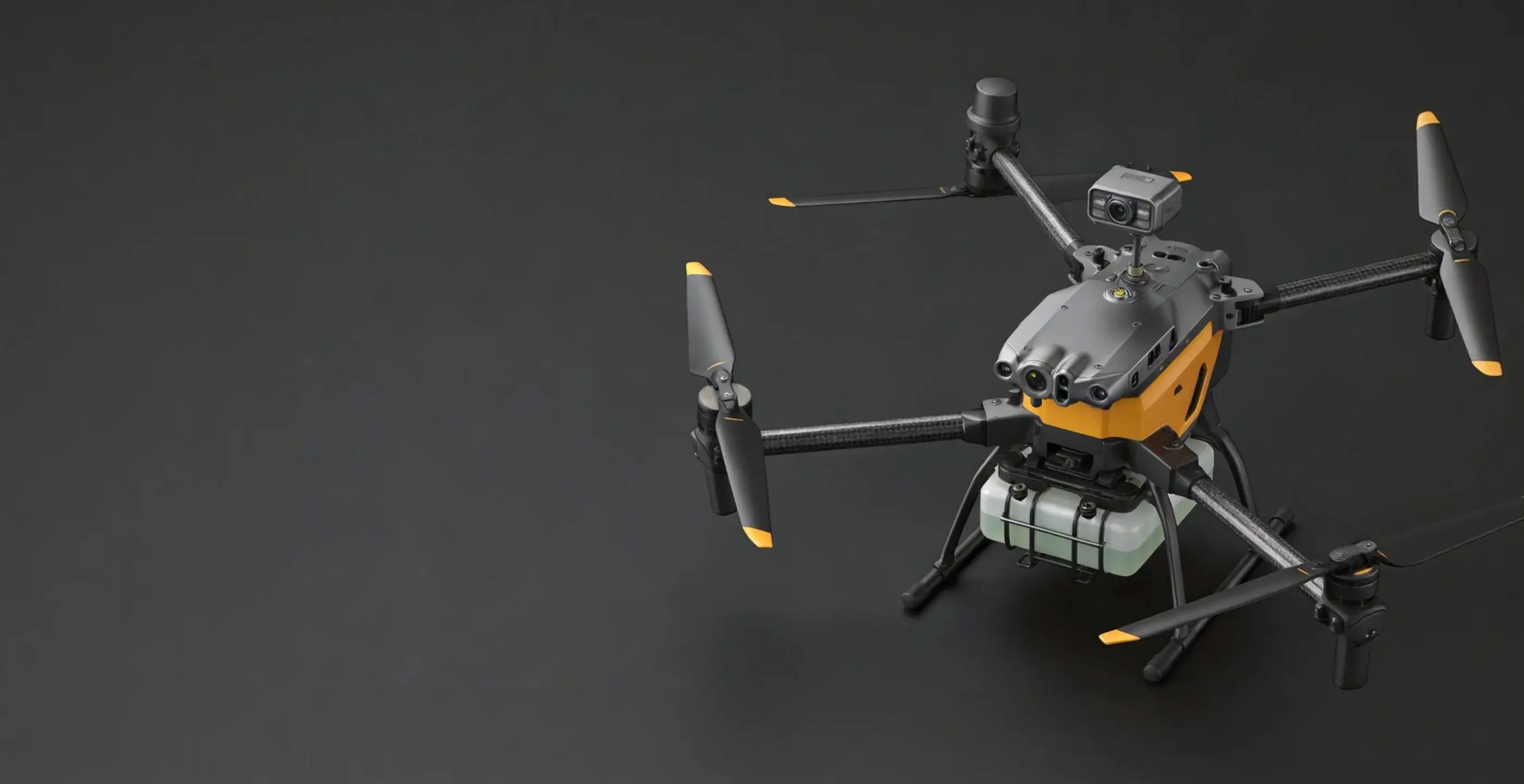
Aerospace development projects require careful control of materials, manufacturing processes, critical dimensions and inspection records. Requirements should reflect the intended loads, operating environment and verification plan.
Components must withstand loads and control deflection within strict weight limits. Design and manufacturing choices directly affect performance.
Key considerations:
Vibration, temperature variation and extended service must be considered when planning component geometry and assembly interfaces.
Key considerations:
Material selection must account for strength, batch consistency and predictable manufacturing behavior.
Key considerations:
Manufacturing records must support verification and review of critical dimensions, materials and process routes.
Key considerations:
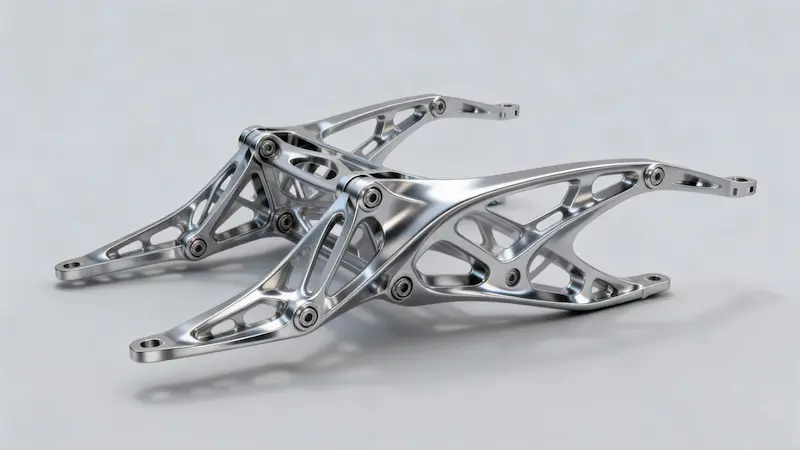
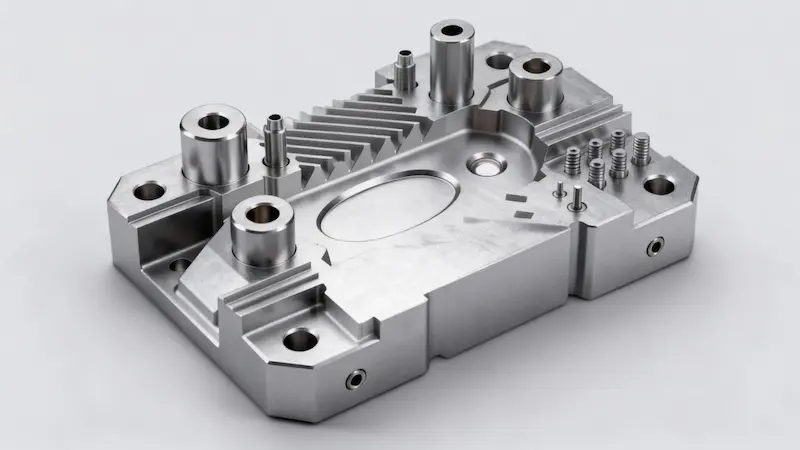
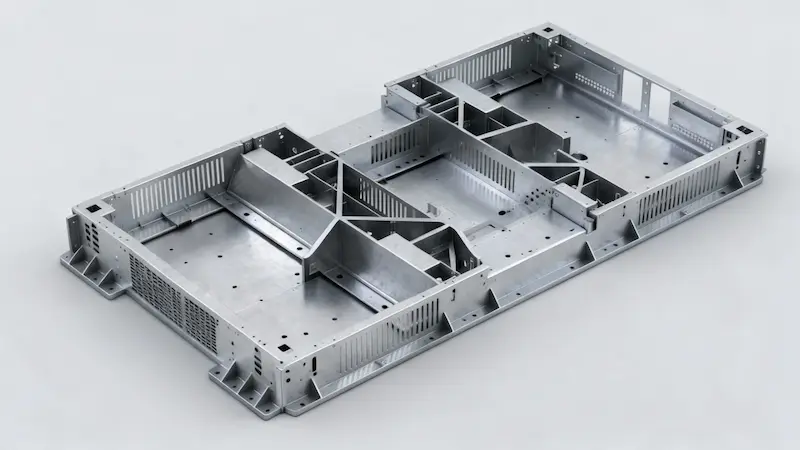
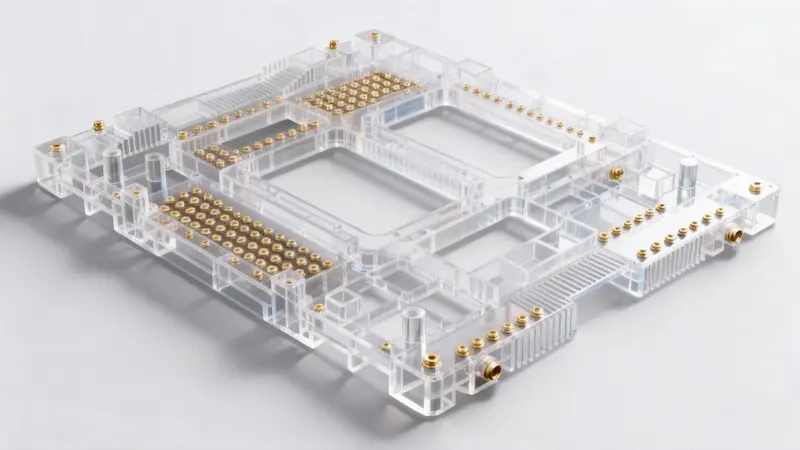
We manufacture prototype, test and ground-support components for aerospace development projects. Examples include brackets, housings, structural test parts, payload mounts and equipment interfaces. Intended use, inspection scope and any qualification requirements are reviewed for each project.
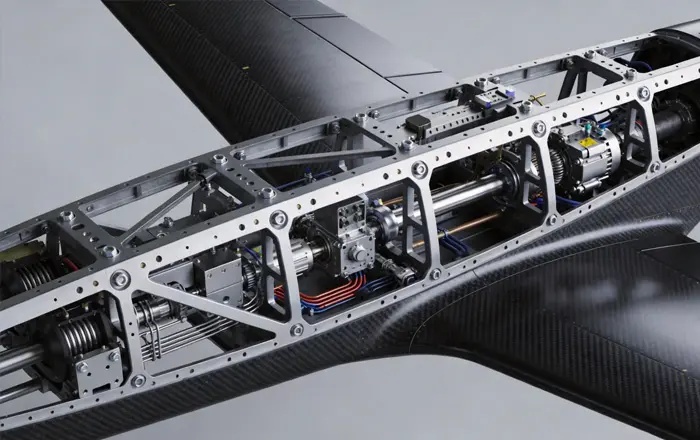
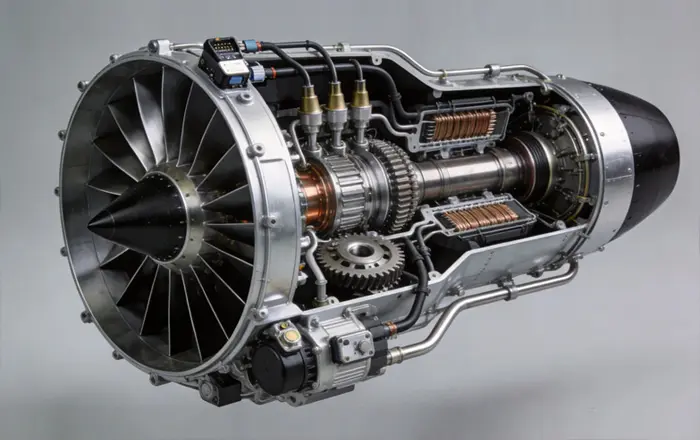
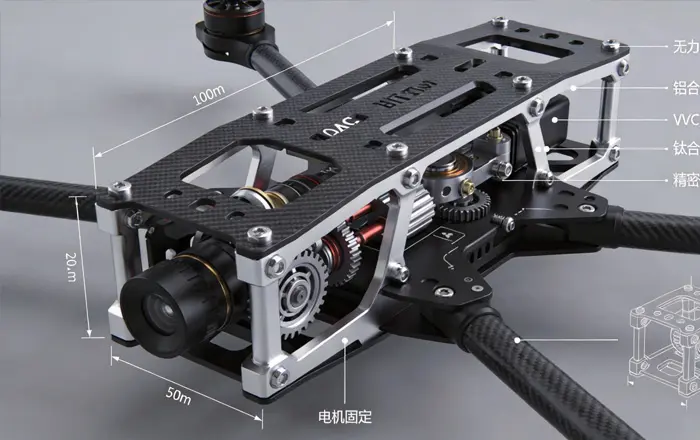
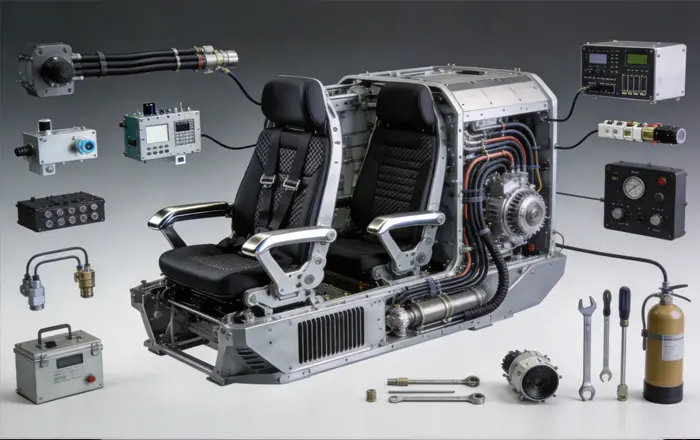
Choose processes for prototype validation, pilot builds and production based on part geometry, material, quantity and project requirements.
Aerospace manufacturing requires engineering reliability and controlled verification. We support R&D and testing with attention to structural integrity, material and process risks, repeatability, engineering changes and cost.
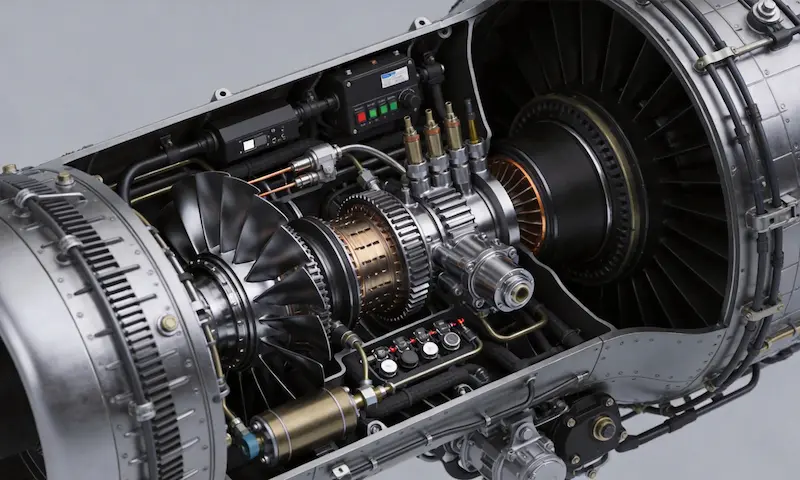
Design for manufacturability (DFM) reviews consider load paths, thin walls and critical interfaces to identify risks of distortion, loosening and fatigue before manufacturing. Final design validation remains subject to project requirements.
Assess cracking, residual stress and changes in properties in relation to material selection, heat treatment and machining strategy. Refine the process before testing.
Define critical dimensions, tolerances and process routes during prototyping to improve consistency in subsequent pilot builds and repeat orders.
Evaluate design revisions and their effects on manufacturing. Track drawing versions, critical dimensions and process records to keep parts aligned with approved engineering information.
Select materials and processes suited to the R&D stage, avoiding unnecessary complexity while meeting defined reliability and verification requirements.
Common engineering formats include:
Provide a STEP file and a dimensioned 2D drawing to help us assess critical dimensions and inspection requirements.
Yes. We define critical dimensions and process routes during prototyping to support consistency in subsequent trials and batches.
Yes. We support prototype validation, low-volume trials and ongoing production requirements.
Contact our team to arrange an NDA before sharing sensitive drawings or project information.