Evaluate geometry, assembly fit and functional requirements before committing to production. We manufacture prototypes using 3D printing, CNC machining, sheet metal fabrication and vacuum casting, supported by design for manufacturability (DFM) reviews. Findings help identify interference, distortion and manufacturing constraints early.
Suitable for projects that need:
A new design that needs checks of critical dimensions, assembly clearances and potential interference.
Functional prototypes for testing, design reviews or presentations, with a practical route to subsequent manufacturing.
A comparison of prototype processes against geometry, material, test objectives, cost and lead time.
Early assessment of design and manufacturing risks before investing in production tooling.
Contact our team to arrange an NDA before sharing sensitive drawings or project information.
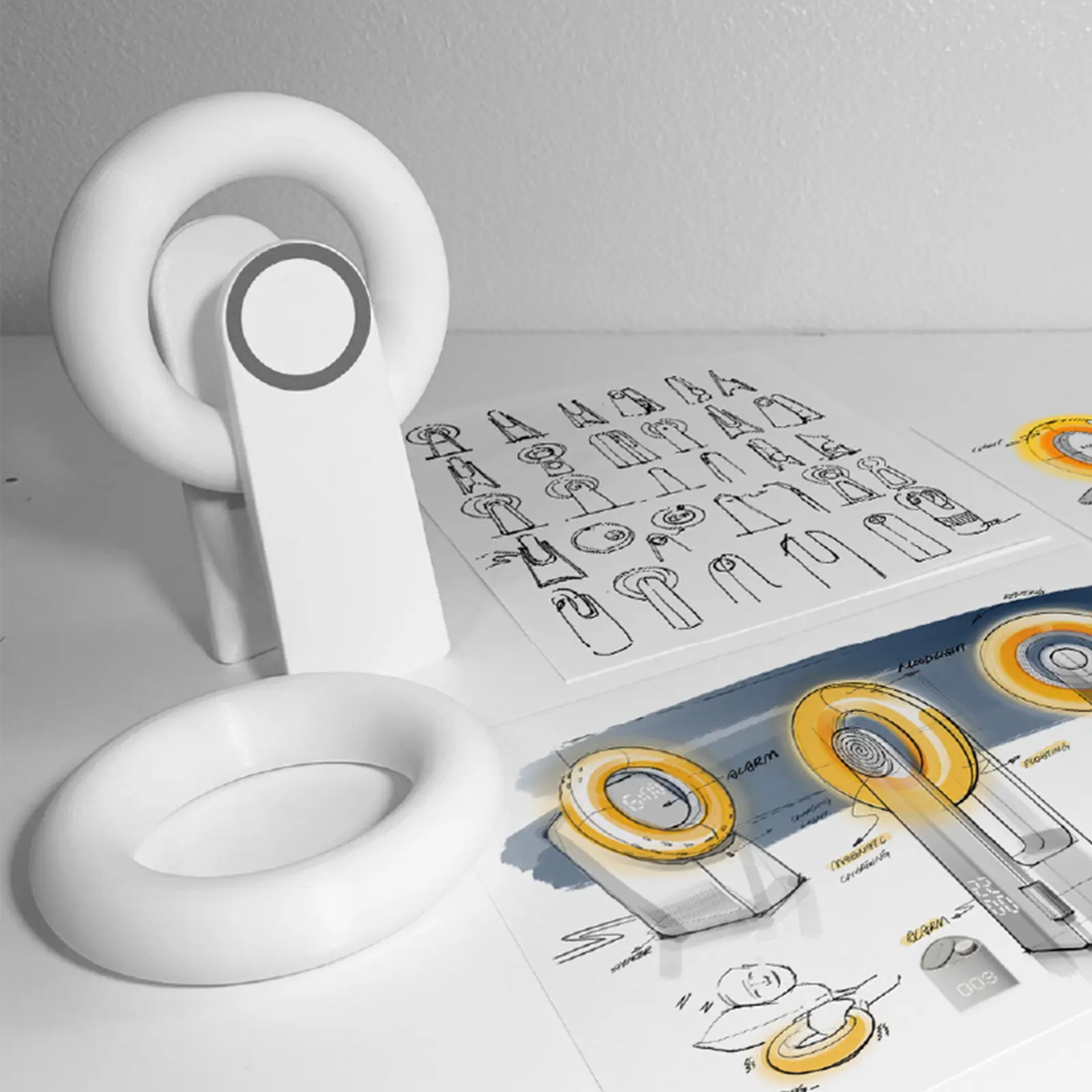
Appearance Models and Engineering Prototypes
Different prototypes answer different questions. Define whether the build is intended to assess appearance, geometry, assembly or functional performance, then select the materials, process and inspection scope accordingly.
Appearance Models
Models for evaluating shape, proportions, surface finish and visual presentation. Their materials and manufacturing methods may differ from those intended for production.
Focus: appearance and basic form
Assess shape, appearance and presentation quality
Mechanical performance may not represent the production design
Further engineering and process validation may be required
Engineering Prototypes
Use representative samples and engineering reviews to assess geometry, assembly and manufacturing routes before production.
Focus: geometry, assembly and manufacturing readiness
Assess suitability for manufacturing
Identify structural, assembly and interference issues early
Define process options and design improvements for production
The goal is to identify significant engineering risks while changes remain practical and reduce later design changes, tooling modifications and production defects.
Engineering Prototyping Capabilities
We combine 3D printing, CNC machining, sheet metal fabrication and vacuum casting with DFM reviews. Documented findings and process recommendations help address structural, assembly and manufacturing risks before production.
Geometry Review and Risk Identification
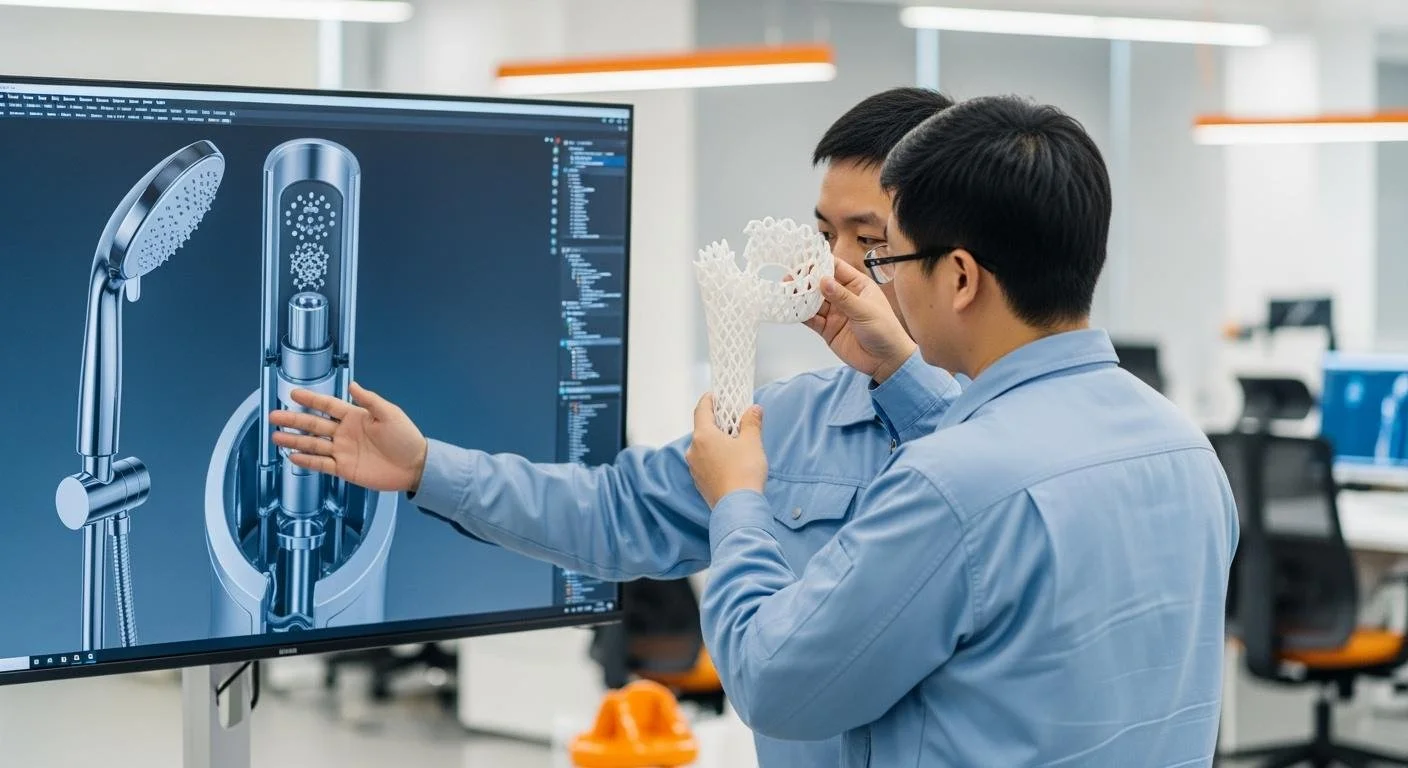
Our engineers review STEP, IGES, STL, OBJ and other suitable files for wall thickness, holes, chamfers, radii, curved surfaces and slender features. The review identifies weak areas, assembly difficulties, distortion and support requirements to guide process selection.
DFM Review During Prototyping
Review workholding, datums, tool access, thin-wall distortion, holes, draft, parting lines, supports and finishing. Practical recommendations help prevent prototype-only solutions from causing rework or tooling changes during production.
Multi-Process Prototype Planning
Select 3D printing, precision CNC machining, sheet metal fabrication or vacuum casting according to geometry, materials and validation goals. Compare cost and lead time, and define what each prototype needs to verify.
Assembly and Dimensional Verification
Confirm critical dimensions and datums for assemblies and functional parts. Inspection records, dimensional reports and CMM or gauge data can support traceable findings and guide future tolerances, fixtures and process controls.
Materials and Finishes Representative of Production
Choose engineering plastics, nylon, resins or metals with appropriate finishes such as painting, plating, screen printing, bead blasting or anodizing. Review the combination of material, process and finish to make validation more representative of the intended production part.
Common Engineering Prototype Applications
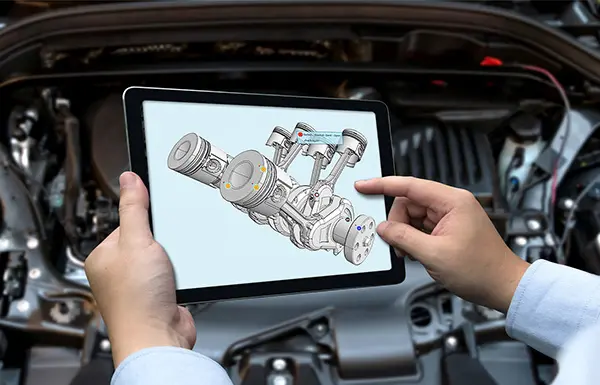
Engineering prototypes assess geometry, assembly, interfaces, strength and function to identify risks early and guide the choice of CNC machining, injection molding or another production route.
Design Validation
Check structural concepts and assembly relationships, identify interference and dimensional issues, and reduce later redesign or tooling changes.
Validation focus:
Geometry and load paths
Assembly clearances and fit
Motion and spatial interference
Functional Test Prototypes
Evaluate strength, motion and interface performance under conditions representative of the intended application.
Validation focus:
Strength and rigidity
Motion and travel
Interfaces and fits
Presentations and Design Reviews
Use appearance and assembly prototypes for investor presentations, internal reviews and customer discussions.
Validation focus:
Appearance and consistency
Assembly completeness
Clear communication of design concepts
Pre-Production Risk Review
Assess production feasibility and downstream risks before committing to CNC production or injection molding tooling.
Key decisions:
Production feasibility
Tooling and process risks
A defined production route
Our Engineering Prototyping Process
Share Drawings and Requirements
Common 2D and 3D formats include STEP, IGES, STL, DWG and DXF
Include validation goals for geometry, assembly, function or production readiness, along with critical dimensions
Timing: Review starts after the drawings and requirements are complete
Engineering Review and Validation Plan
Review thin walls, interference, tolerance stacks and process limits against the validation goals
Select a prototype process, including 3D printing, CNC machining or vacuum casting
Engineers review geometry and the proposed process, then recommend design improvements
Compare process pricing, materials and lead times
Timing: Review and quotation schedule agreed for your project
Prototype Manufacturing and Validation Support
Manufacture to the agreed validation plan with coordinated processes
Support assembly checks, functional testing and pilot builds as agreed
Lead time: Confirmed after review of geometry, materials, process and quantity
Delivery and Production Recommendations
Deliver prototypes with agreed inspection records and feedback
Recommend CNC production, injection molding or process changes based on the findings
Timing: Shipping time depends on destination and the agreed service
From Prototypes to Production
Documented prototype results help guide subsequent manufacturing. Record what was tested, which requirements were met and which design or process issues remain open.
Reusable Validation Findings
Record critical dimensions, datums, tolerances, assembly clearances, identified risks, material and finishing recommendations and process limits. Reuse these findings when planning the next manufacturing stage.
Reusable findings + traceable risks + practical process plans
Define critical dimensions, datums and inspection methods
Identify structural and assembly issues to address first
Recommend the next manufacturing process
A Practical Path From Prototypes to Production
Select the next manufacturing process according to the validation results, design maturity and production requirements. Reassess materials, tolerances and tooling whenever the process changes.
Prototype validation → Process planning → Pilot build → Production
Prototype validation → CNC machining: Functional parts and low-volume validation
Prototype validation → Sheet metal fabrication: Equipment enclosures and structural parts
Prototype validation → Injection molding: Volume production after design stabilization
Reusable findings and a defined process plan help reduce rework, tooling changes and batch defects before the transition to production.
Contact our team about confidentiality before sharing sensitive files.
Frequently Asked Questions
It uses prototypes to assess geometry, assembly, interfaces, strength and manufacturability. The goal is to identify risks before production and document findings that can guide the next stage.
An appearance model focuses on form and visual presentation. An engineering prototype also evaluates:
Manufacturability and production readiness
Structural and assembly risks
Suitable production routes
Geometry and interference checks
Assembly relationships and tolerance stacks
Motion and interface checks
Material and process recommendations
Typical combinations include:
3D printing using SLA, SLS, MJF or FDM for geometry and assembly validation
CNC machining for functional and precision prototypes
Sheet metal fabrication for enclosures and structures
Vacuum casting for low-volume consistency checks
The review typically considers:
Structural stability and functional reliability
Tolerance stacks and critical dimensional stability
Material compatibility and process capability
Estimated manufacturing cost and yield
Yes. Prototype findings can inform CNC production or injection molding, but changing the process may affect materials, tolerances, geometry and performance. We review those differences and any tooling requirements before planning the next build.
Yes. Multi-part prototypes can help verify assembly sequence, gaps, interference, stiffness and the overall structural concept.
Yes. We can manufacture samples for functional and durability testing and support low-volume bridge builds. The scope of testing and production is agreed for each project.
Lead time depends on geometry, process, materials, quantity and the agreed validation scope.
3D printing: timing confirmed after review
CNC prototypes: timing confirmed after review
Assembly prototypes: timing confirmed after review
Contact our team to arrange an NDA before sharing sensitive drawings or project information.