
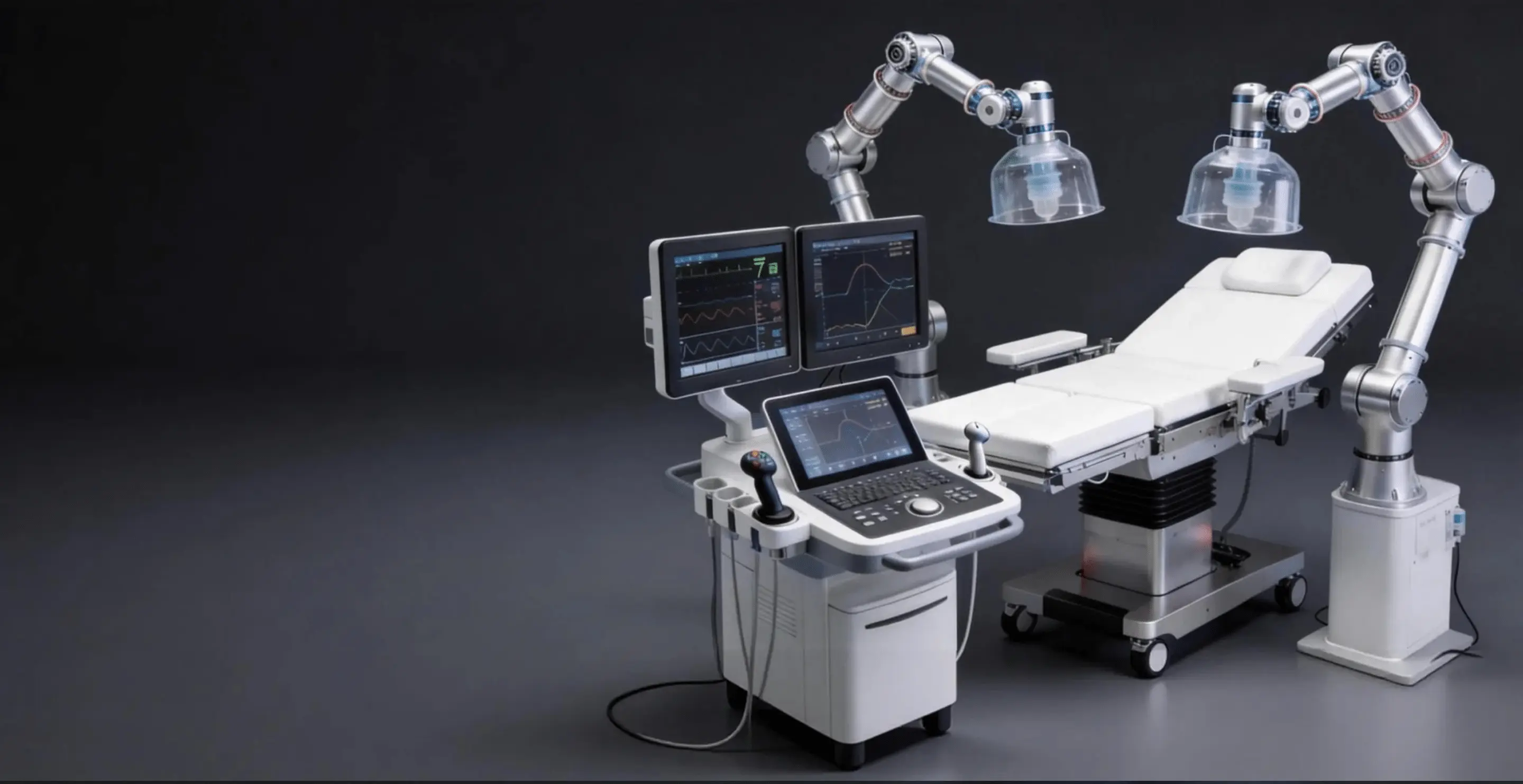
Medical Device Component Manufacturing

Component manufacturing for medical equipment development, engineering validation, pilot builds and non-implant applications. Support includes prototypes, functional parts and low-volume production. Intended use, material suitability and validation requirements must be agreed for each project.

Risk-based process selection: review manufacturing risks and verification requirements before production.
Controlled engineering requirements: define dimensions and process controls for repeatable batches.
Careful material and process selection: consider cleaning conditions, stability and intended service life.
Support for staged development: controlled drawing revisions and manufacturing records through ongoing R&D.
Request a Quote Talk to an Engineer
Contact our team to arrange an NDA before sharing sensitive drawings or project information.
Medical equipment component manufacturing for development, validation and non-implant applications using CNC machining, injection molding, 3D printing and sheet metal fabrication. Intended use and validation requirements are reviewed per project.

Engineering Requirements for Medical Equipment Components

Medical equipment components need clearly defined dimensions, materials, process controls and inspection requirements. Controlled manufacturing records support repeatable assembly and the project validation plan.

Dimensions and Assembly Fit

Precision motion, sensing and sealing features require careful control of tolerance stacks and assembly relationships.

Define and control critical dimensions from functional datums
Review clearances, coaxiality and fit against the assembled equipment

Functional Reliability

Component geometry and condition can affect sensing stability and equipment operation. Manufacturing requirements should reflect the intended function and risk assessment.

Functional failures can interrupt operation or affect measurement results
Review structural requirements against material properties and process capability

Material Stability and Cleanability

Material selection must consider the specified cleaning, disinfection and service conditions. Suitability requires validation for the intended application.

Review cleaning-agent resistance, temperature exposure and dimensional stability
Define particle, residue and surface integrity requirements for finishing

Validation and Traceability

Development may involve multiple validation stages and drawing revisions. Controlled records help connect samples and batches to the approved requirements.

Track sample revisions and corresponding batches
Retain inspection and manufacturing records as agreed

Medical Equipment Components We Support

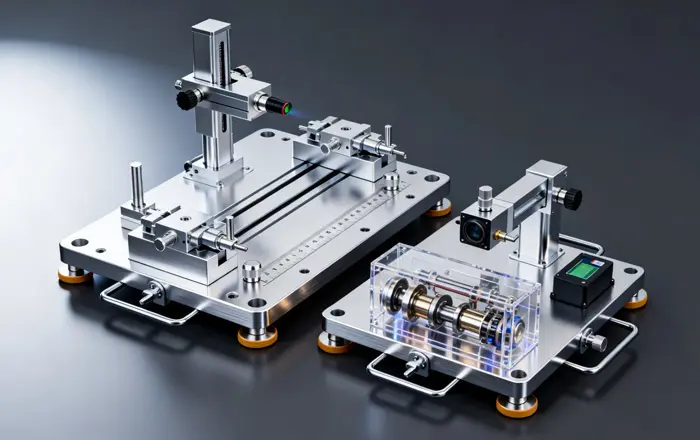
We manufacture structures, fluid-system parts, sensor housings and mechanism components for medical equipment development and pilot projects. Our support covers functional validation, assembly validation and low-volume builds. These application examples do not establish suitability for patient contact or clinical use; materials, intended use and validation criteria must be confirmed for each project.

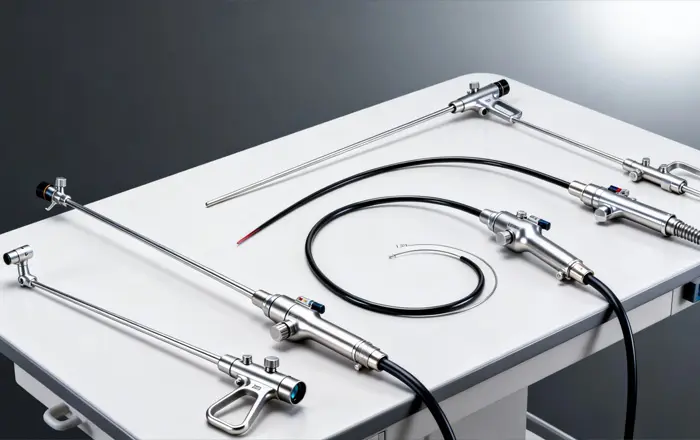
Medical instrument and test component prototypes

Medical Instrument and Test Component Prototypes

Surgical instrument handle and structural prototypes
Endoscope housing and structural prototypes
Gripping and operating mechanism parts
Biopsy device structural prototypes
Ultrasound probe housing and assembly prototypes
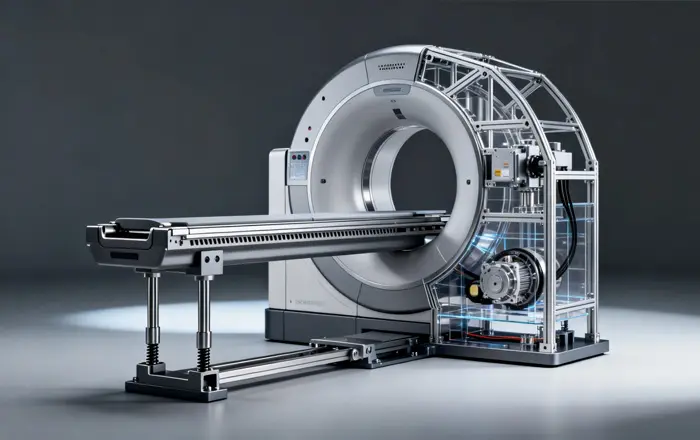
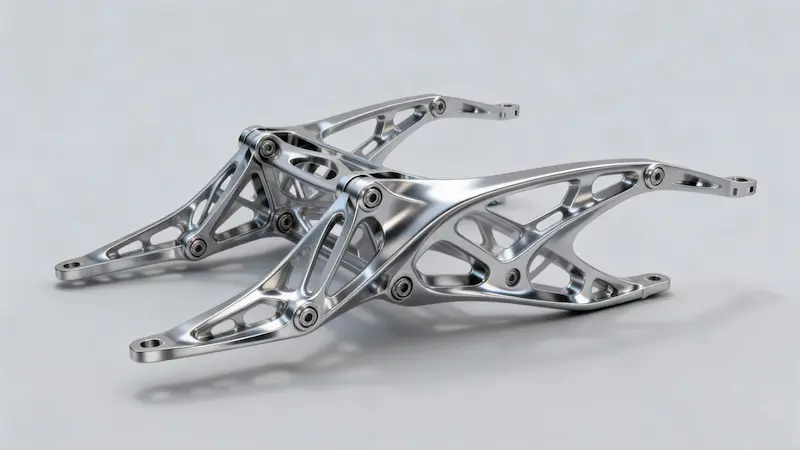
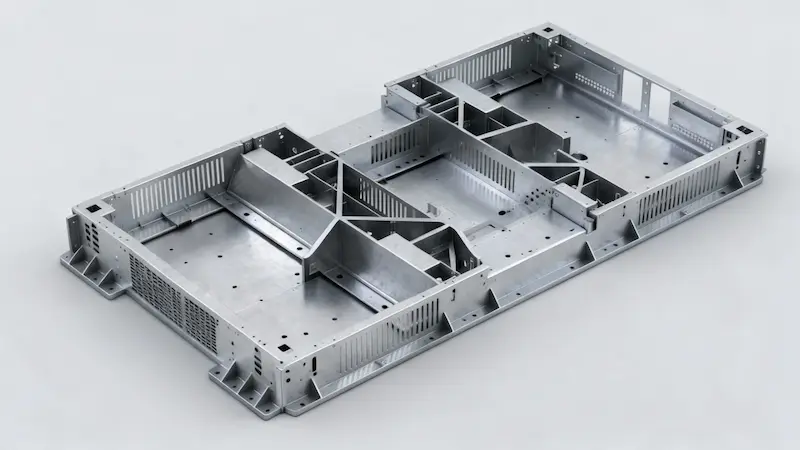
Medical equipment structures and functional components

Equipment Structures and Functional Parts

Equipment frames and supports
Drive mechanism components
Gears and transmission parts
Heat dissipation and mounting structures
Equipment assembly locators
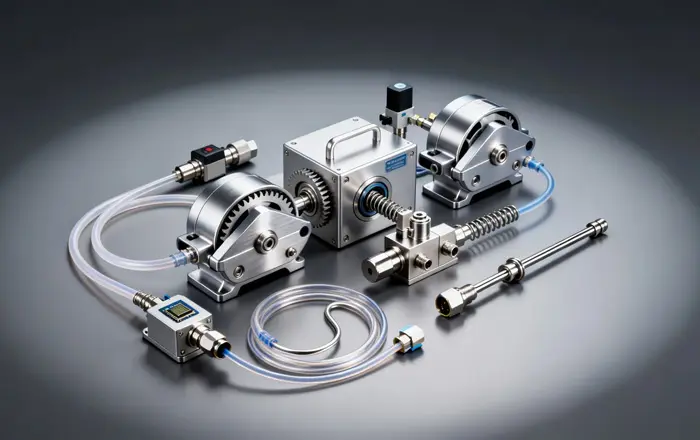
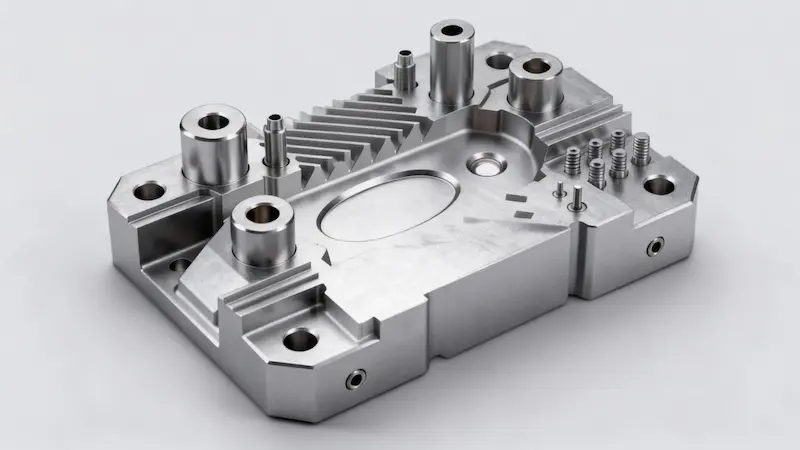
Fluid-system and sensor components

Fluid-System and Sensor Components

Pump and valve body structures
Gas and liquid line connectors
Sensor housings
Sealing and flow-channel components
Jigs, fixtures and validation tooling

Jigs, Fixtures and Validation Tooling

Assembly locating fixtures
Inspection and validation fixtures
Test and functional validation tooling
Low-volume production fixtures

Manufacturing Processes for Medical Equipment Projects

Choose processes for prototype validation, pilot builds and production based on part geometry, material, quantity and project requirements.

Key Considerations for Medical Equipment Projects

Component manufacturing must address dimensional stability, batch consistency, material suitability, traceability and defined risks through the prototype, functional validation and pilot-build stages. We support engineering reviews, process planning and inspection against agreed requirements.

Medical component manufacturing considerations: dimensions, batch consistency, material and cleaning conditions, revision control, traceability, cost and lead time.

Critical Dimensional Stability

Review functional datums and tolerance stacks for machining distortion, workholding effects and material stability. Agree on process routes and inspection methods appropriate to the dimensional requirements.

Repeatability Across Batches

Review machining methods, material batches and finishing effects. Defined parameters, sample comparisons and process controls support consistent geometry and function.

Materials for the Specified Cleaning and Service Conditions

Consider temperature, cleaning-agent exposure, water absorption, aging and surface condition. Material recommendations require confirmation against the intended use and validation requirements.

Documented Engineering Changes

Track drawing revisions and assess how each change affects dimensions, materials, processes and inspection. Identify the approved revision and material batch on manufacturing records to reduce mix-ups.

Cost and Lead Time Within Project Requirements

Compare process options and design improvements while maintaining agreed functional, reliability and validation requirements. Plan manufacturing around the development stages and delivery targets.

Our Medical Component Manufacturing Process

  1. Share Drawings and Validation Requirements

    • Provide 3D files and 2D drawings with critical dimensions, datums, fits and functional requirements
    • Specify the development stage, intended use, cleaning or disinfection conditions and service requirements
    • Timing: Review starts after the drawings and requirements are complete
  2. DFM Review and Manufacturing Risk Assessment

    • Review critical dimensions, assembly consistency and potential manufacturing failure modes
    • Assess CNC machining, injection molding, 3D printing and sheet metal fabrication against material and process requirements
    • Timing: Feedback schedule agreed after the initial review
  3. Engineering Approval and Revision Control

    • Confirm revisions, critical parameters and inspection requirements
    • Review materials, finishing and critical-to-quality (CTQ) features for consistency
    • Timing: Approval schedule agreed for your project
  4. Manufacturing and Process Consistency

    • Manufacture to the approved plan, verify the first article and compare samples or assemblies where required
    • Apply in-process controls to critical dimensions and functional surfaces
    • Timing: According to the agreed schedule
  5. Inspection, Delivery and Next-Stage Planning

    • Provide agreed dimensional records, appearance standards and delivery identification
    • Support the transition from validation samples to pilot builds and assess readiness for the next manufacturing process
    • Timing: Transit time depends on destination and shipping service

Frequently Asked Questions