
Consumer Products Manufacturing Solutions

Manufacturing support for consumer electronics, connected devices, household products and innovative consumer goods, from prototype validation to pilot builds and repeat supply.

Balance appearance, structure and function to support visual quality, reliable assembly and a good user experience.
Align rapid validation, pilot builds and production with your product launch schedule.
Combine 3D printing, CNC machining, sheet metal fabrication and injection molding to balance finish, strength and unit cost.
Plan for revisions and repeat orders, with room for design upgrades and controlled process changes.
Review appearance, fit and manufacturability together to create products that are attractive, functional and production-ready.
Request a Quote Talk to an Engineer
Contact our team to arrange an NDA before sharing sensitive drawings or project information.
Manufacturing support for consumer electronics, connected devices and household products, from prototypes to pilot builds and production using CNC machining, 3D printing, sheet metal and injection molding.

Engineering Requirements for Consumer Products

Consumer products need consistent appearance, reliable assembly and the required functional performance at a viable manufacturing cost. Material and process choices should support the intended production volume and launch schedule.

Appearance and Perceived Quality

Appearance, feel and assembly gaps affect perceived quality. Manufacturing must produce consistent results across the batch.

Define acceptable texture, flow marks and weld lines
Control assembly gaps and flushness against the complete assembly

Structure and Function

Thin walls and compact designs must balance strength, fit and manufacturability.

Review distortion and failure risks in thin walls, buttons and snap features
Match functional features to process capability

Cost and Process Selection

Choose processes for each development stage to balance validation speed and production cost.

Validation emphasizes rapid design iterations
Production emphasizes unit cost and consistency

Launch Schedule

Manufacturing must connect rapid design validation with stable pilot builds to support the product launch window.

Validate assembly and function early
Establish processes and inspection criteria for production

Consumer Product Components We Support

We manufacture housings, internal structures, brackets, fixtures and functional components for electronics, connected devices, appliances and other consumer products. CNC machining, 3D printing, sheet metal fabrication and injection molding support appearance models, engineering prototypes, pilot builds and repeat production.

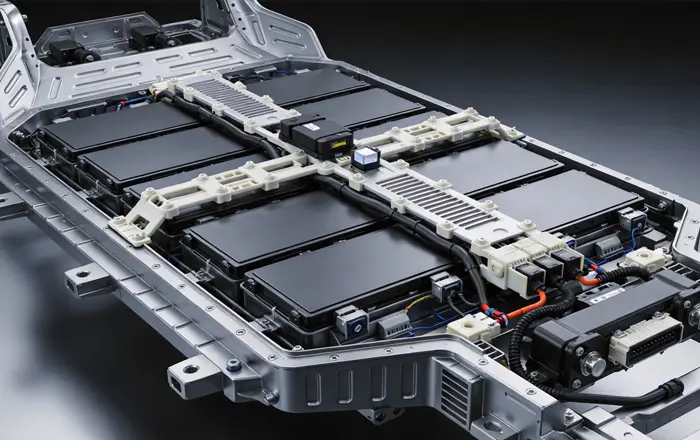
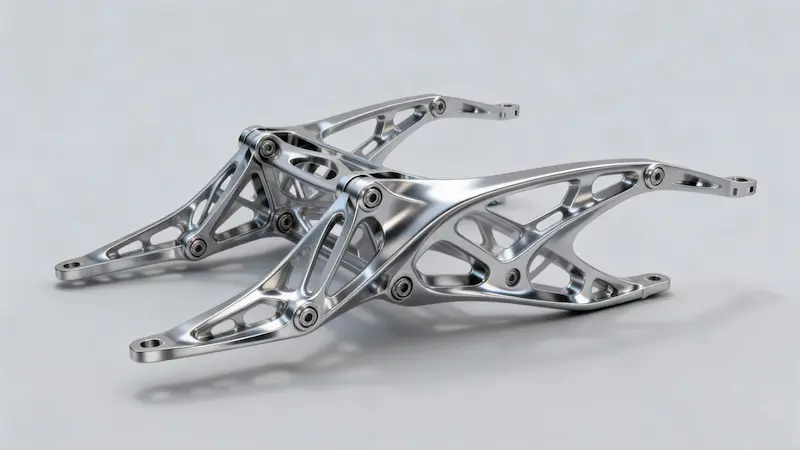
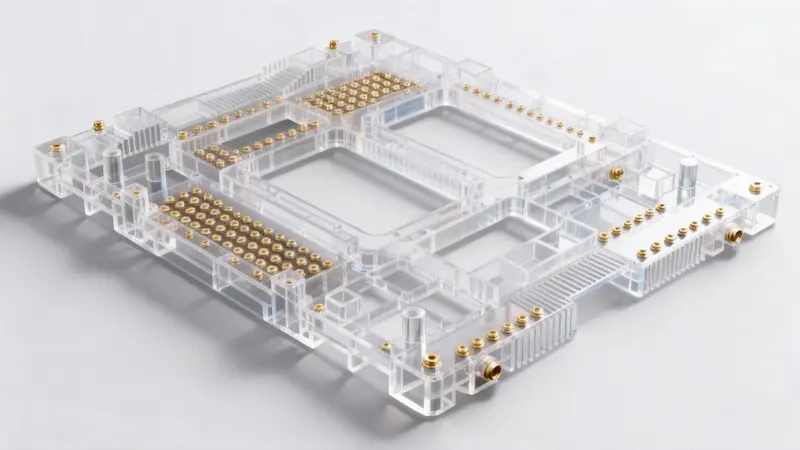
Structural supports for consumer products

Structural Supports

Internal frames and mounting brackets
Heat spreaders and metal supports
PCB mounts
Functional module mounting bases
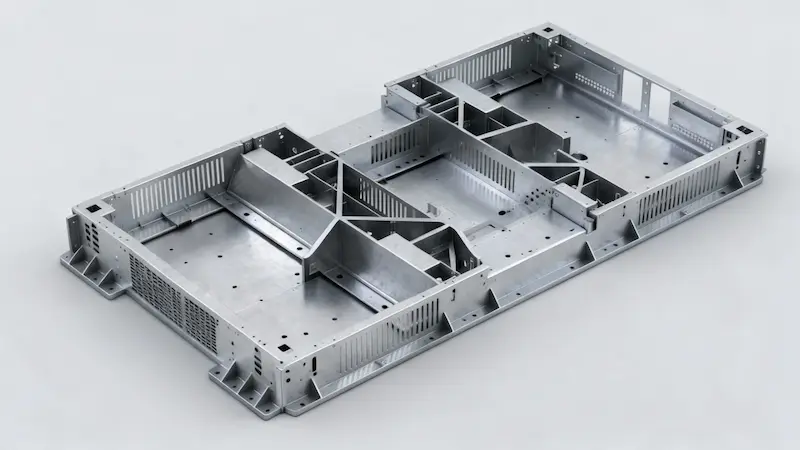
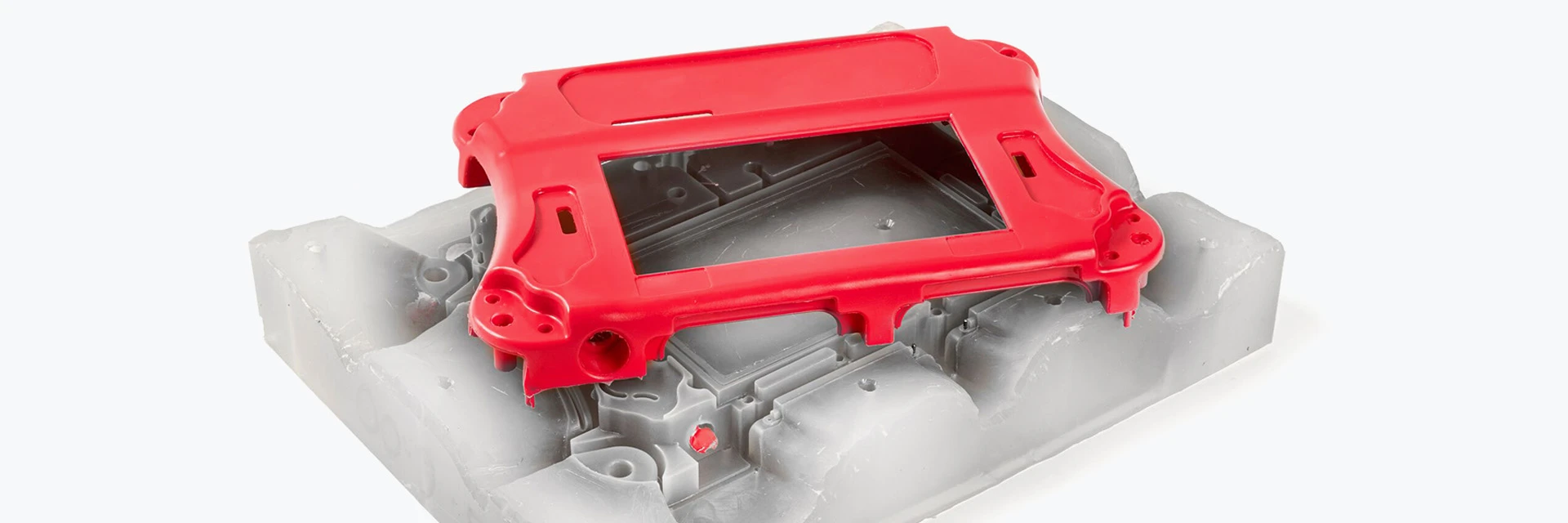
Consumer product enclosures and protective covers

Enclosures and Protection

Electronic device housings
Water-resistant covers
Cable protection and routing features
Decorative panels and covers
Consumer product appearance and user interface parts

Appearance and User Interface Parts

Plastic and metal decorative housings
Button and touch-interface panels
EMI shields and conductive structures
Knobs, decorative rings and panels
Diffusers and translucent components
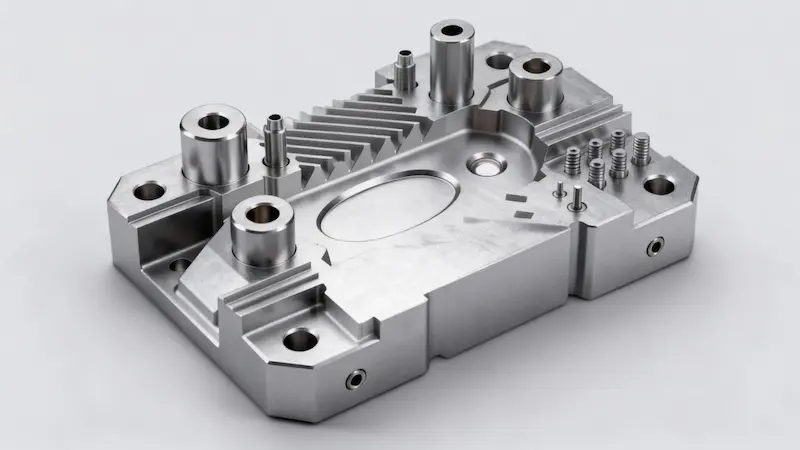
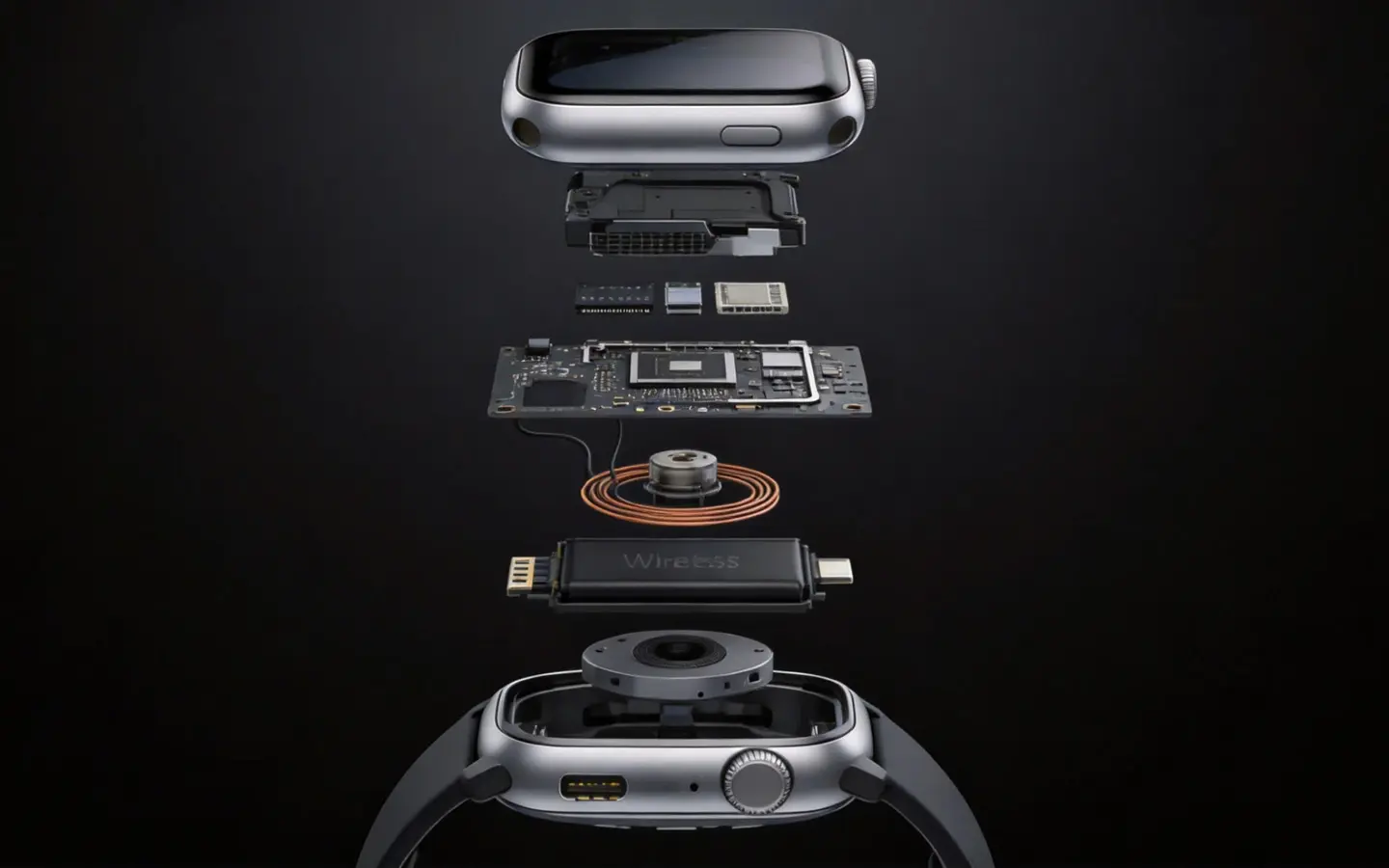
Consumer product assembly and functional components

Assembly and Functional Components

Battery compartments and holders
Power module mounts
Interface brackets and retainers
Functional bases and supports

Manufacturing Processes for Consumer Products

Choose processes for prototype validation, pilot builds and production based on part geometry, material, quantity and project requirements.

Key Considerations for Consumer Product Projects

Consumer product manufacturing must balance cosmetic quality, function, assembly fit, cost and delivery. Engineering reviews, revision control and process planning help manage those requirements through prototypes, pilot builds and repeat orders.

Consumer product manufacturing considerations: appearance, manufacturability, target cost, assembly consistency, revisions and the transition from CNC machining to injection molding.

Appearance and Manufacturability

Review cosmetic surface standards and critical structural features and datums together. Assess sink marks, warpage, weld lines, distortion and workholding effects, and recommend materials, processes and finishing suited to consistent production.

Manufacturing Cost and Target Price

Break down materials, operations, finishing and assembly costs. Compare 3D printing, CNC machining, sheet metal and injection molding, with design improvements that preserve critical user requirements.

Consistent, Efficient Assembly

Review locating features, snap fits, screws, inserts, gaps and flushness against the tolerance stack. Recommend tolerances and process controls for repeatable batch assembly.

Revision Control and Delivery

Confirm drawing revisions, critical dimensions, materials, finishes and cosmetic acceptance criteria before each build. Identify the approved revision on manufacturing and inspection records to prevent mix-ups during design changes.

When to Move From CNC Machining to Injection Molding

Once geometry, fit and appearance standards are stable, assess draft, parting lines, wall thickness, ribs, inserts and finishing before committing to molds. Plan the transition through pilot builds and production.

Our Consumer Products Manufacturing Process

  1. Share Drawings and Project Stage

    • Provide 3D files, dimensioned 2D drawings, cosmetic surface details and assembly information
    • Specify the project stage: prototype, validation or pilot production
    • Timing: Review starts after the drawings and requirements are complete
  2. DFM Review and Process Recommendations

    • Assess appearance, structural and assembly risks
    • Recommend materials and process combinations with a quotation
    • Timing: Feedback schedule agreed after the initial review
  3. Engineering and Revision Approval

    • Confirm critical dimensions, appearance standards and drawing revisions
    • Recommend geometry and process improvements
    • Timing: Approval schedule agreed for your project
  4. Manufacturing and Process Control

    • Select processes for each stage and verify the first article
    • Inspect critical dimensions and assembly consistency
    • Timing: According to the agreed schedule
  5. Inspection, Delivery and Production Planning

    • Provide agreed dimensional records and delivery identification
    • Support the transition from CNC machining to injection molding
    • Timing: Transit time depends on destination and shipping service

Frequently Asked Questions